Searching…

144 places found
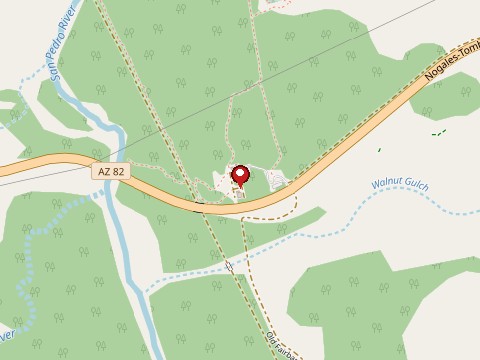
Tombstone, Arizona
Fairbank was a railroad and mining supply town on the San Pedro River that served nearby Tombstone, with a population of about 1,500 at one…
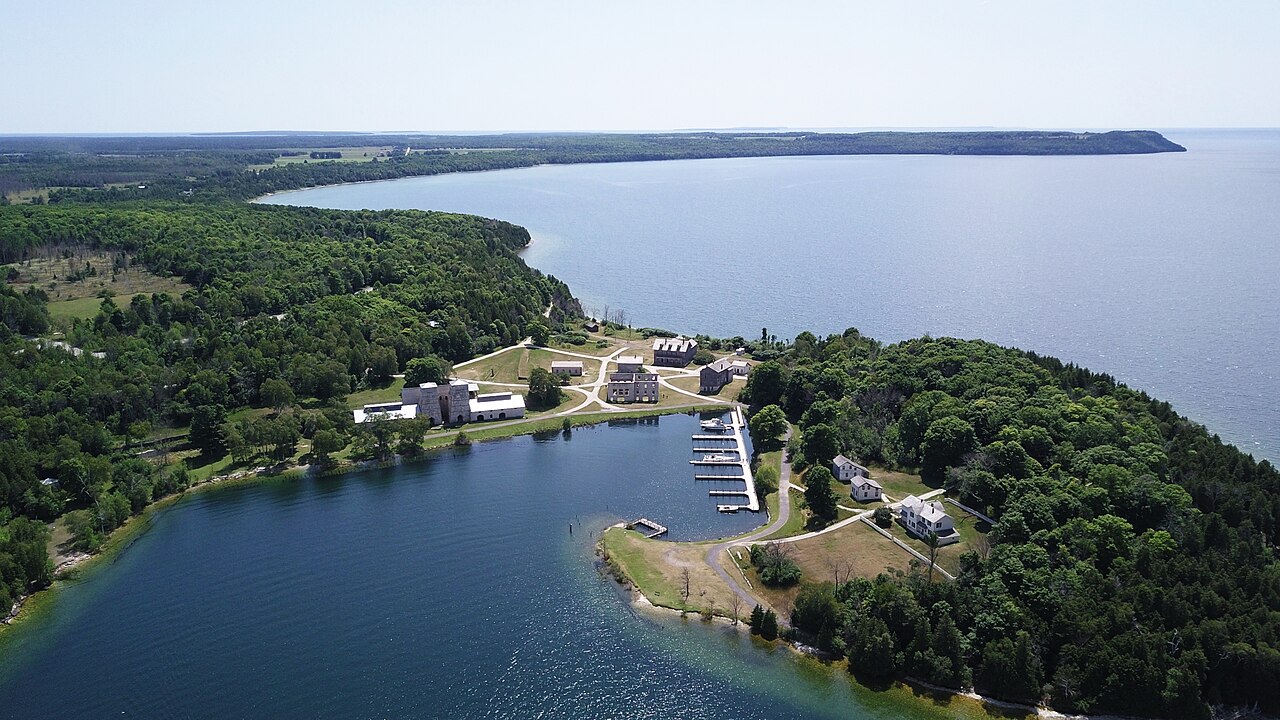
Garden, Michigan
Fayette was an iron-smelting town founded in 1867 by the Jackson Iron Company, with a peak of about 500 people, and its furnaces produced…
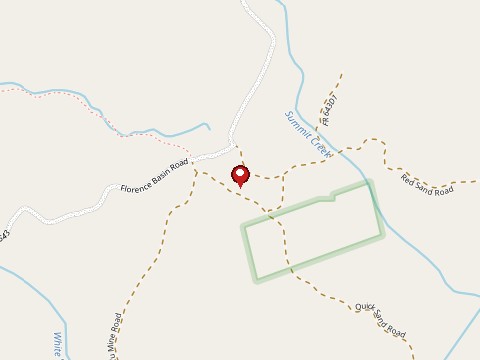
Grangeville, Idaho
Florence began as a gold camp in 1861 and swelled to thousands of people within a year, with the state's first public school and library,…
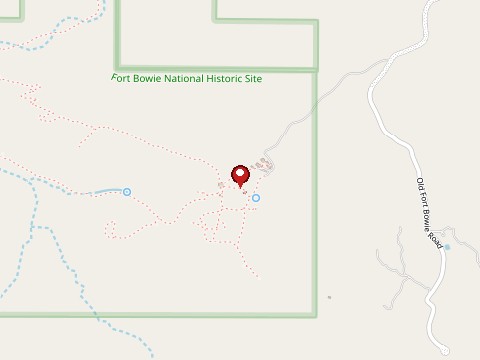
Bowie, Arizona
Fort Bowie National Historic Site preserves the adobe ruins of two army forts that stood in Apache Pass during about 25 years of conflict…
Silver Springs, Nevada
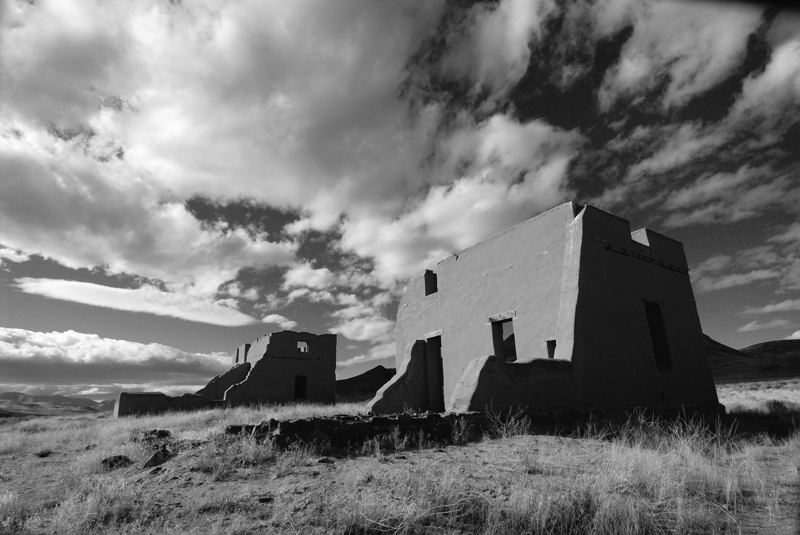
Fort Churchill was built in 1860 to protect settlers and Pony Express riders, served as a Civil War supply depot, and was closed and…
Rawlins, Wyoming
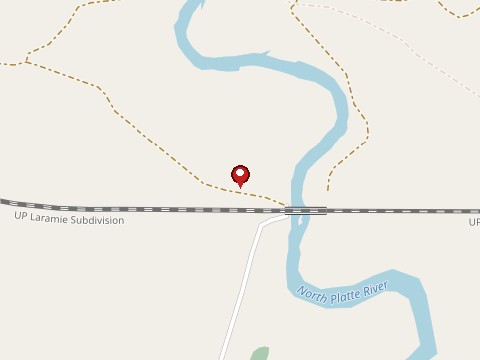
Fort Fred Steele was an Army post from 1868 to 1886 on the North Platte River that guarded the Union Pacific line, and a small community…
Black Diamond, Washington
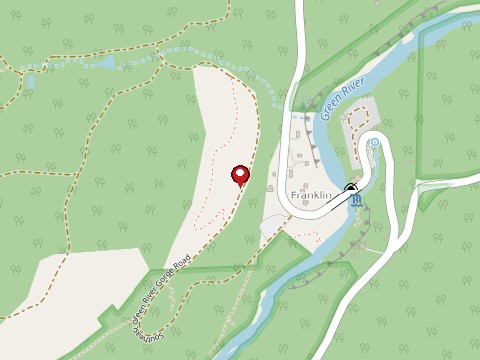
Franklin was a coal-mining town on the Green River where mines produced about 4.15 million tons of coal and 88 miners died, among them 37…
Milford, Utah
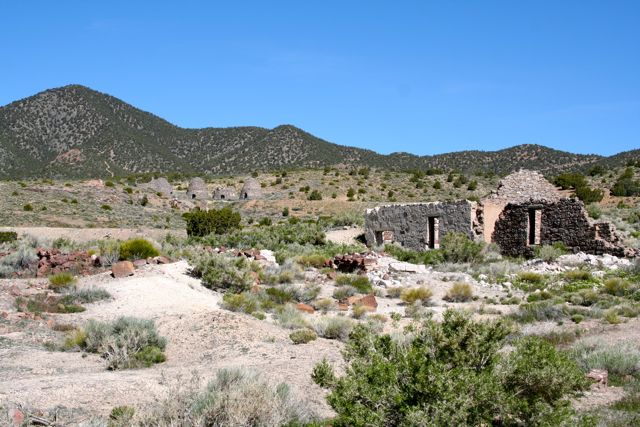
Frisco was a rough silver camp from 1879 to 1929 after the Horn Silver Mine strike of 1876, peaking at a few thousand residents. Its…
Randsburg, California
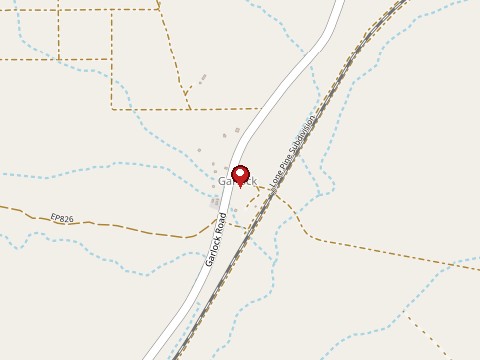
Garlock sprang up in the 1890s after a stamp mill was hauled in to serve nearby gold mines and also supplied water to freighters and…
Garnet, Montana
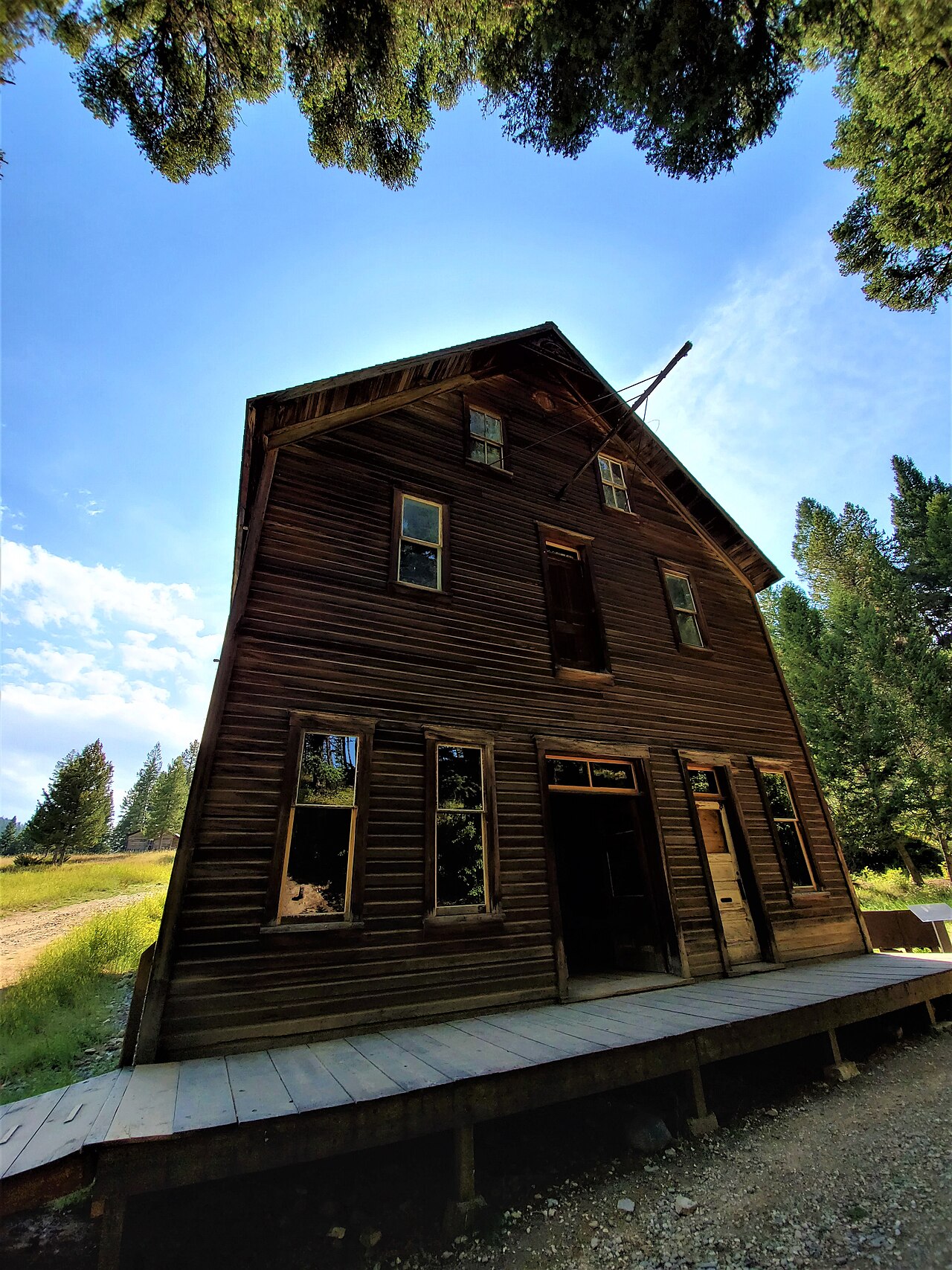
Garnet is one of Montana's best-preserved ghost towns, a gold-mining settlement in the Garnet Range that boomed in the 1890s and emptied…
Hebron, Connecticut
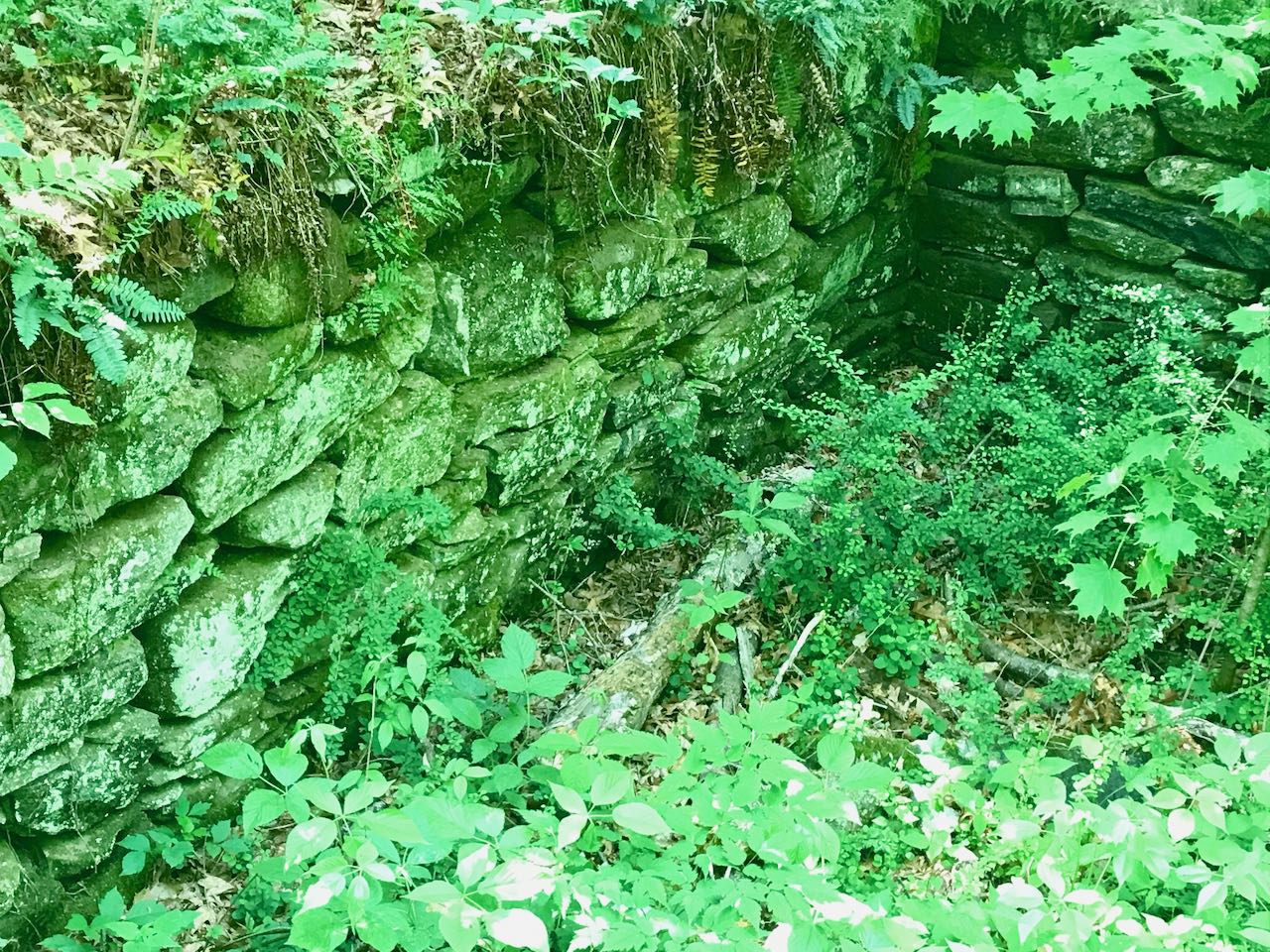
Gay City was a mill village founded in 1796 by a Methodist community from Hartford, named for John Gay, with lumber, textile and rag-paper…
Leadore, Idaho
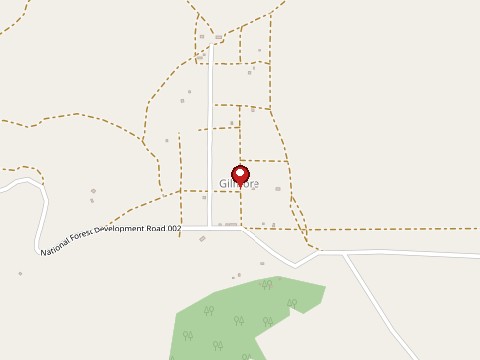
Gilmore was the largest lead-silver mining settlement in Lemhi County, with around 600 people, and had its own Gilmore and Pittsburgh…
Bennington, Vermont
Glastenbury thrived briefly during Vermont's logging and charcoal boom in the mid-1800s, with settlements at South Glastenbury and…
Goldfield, Nevada
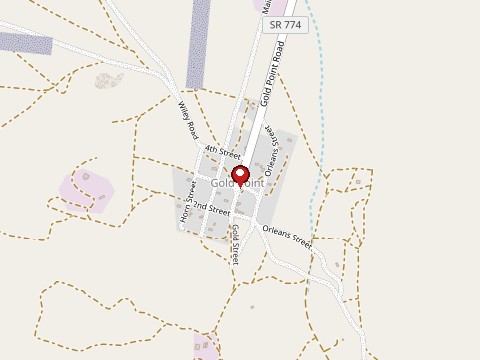
Gold Point began as the silver camp of Lime Point in the 1860s, was called Hornsilver until 1932, and declined during World War II when…
Golden, Oregon
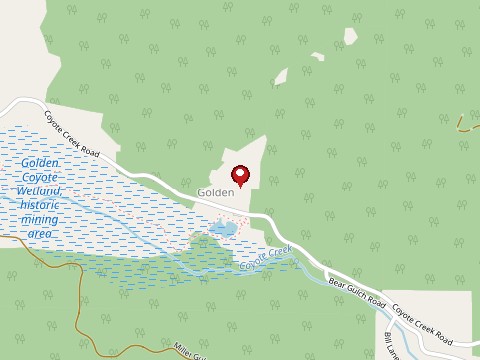
Golden was an 1890s gold-rush settlement founded by religious settlers who banned alcohol and gambling; a church, general store and…
Apache Junction, Arizona
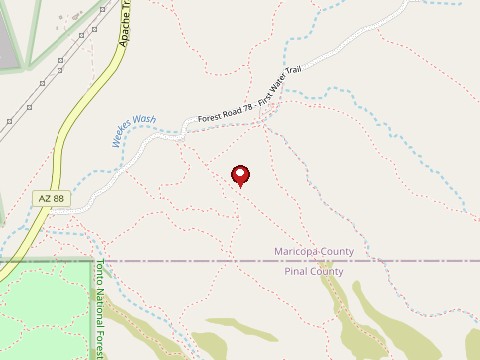
Goldfield was a gold camp that boomed after a strike in 1892 and faded when the ore quality fell. The town visitors see today is a…
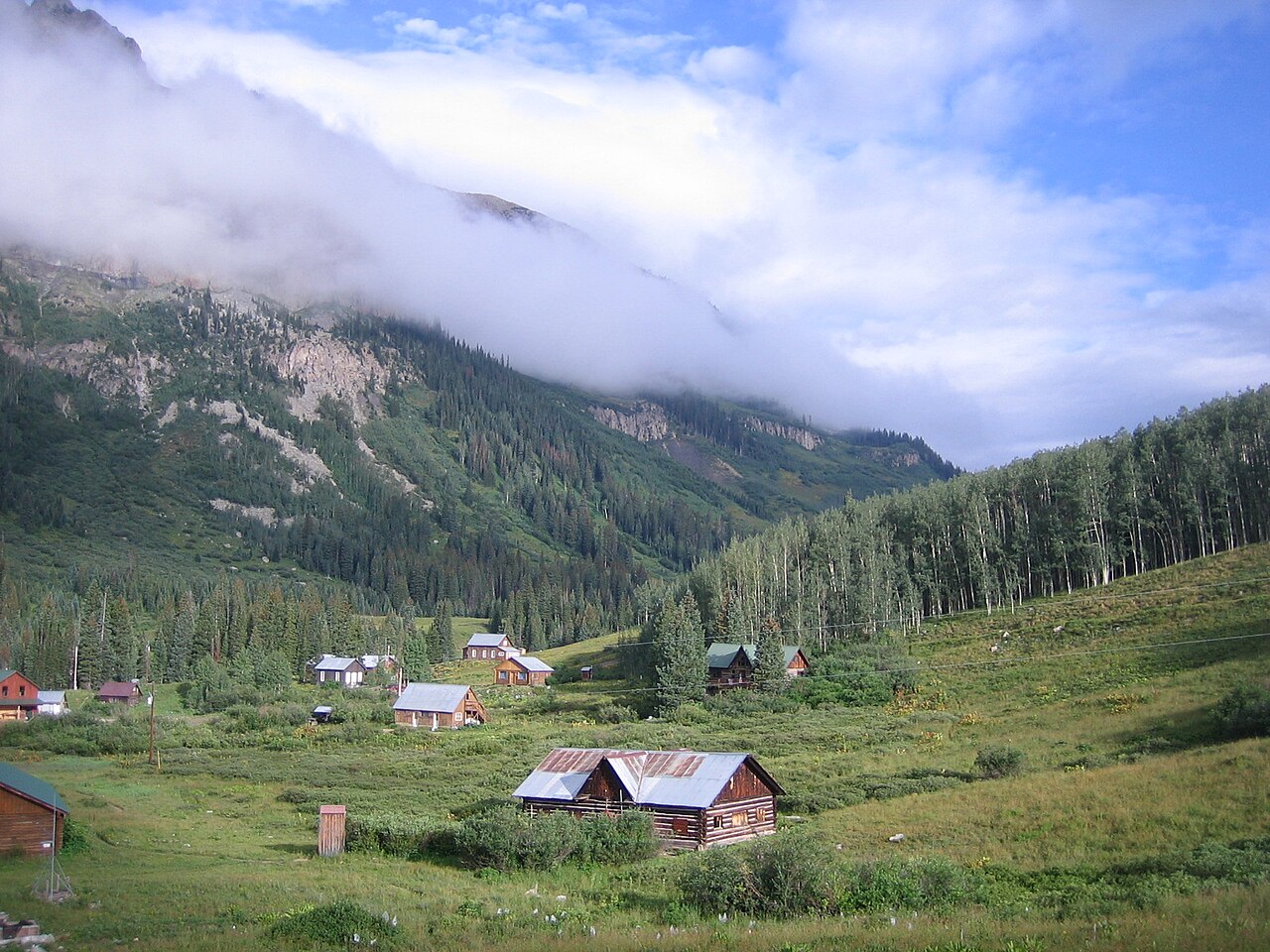
Crested Butte, Colorado
Gothic grew after a silver strike in 1879 and had around a thousand residents before silver prices collapsed, leaving it nearly empty by…
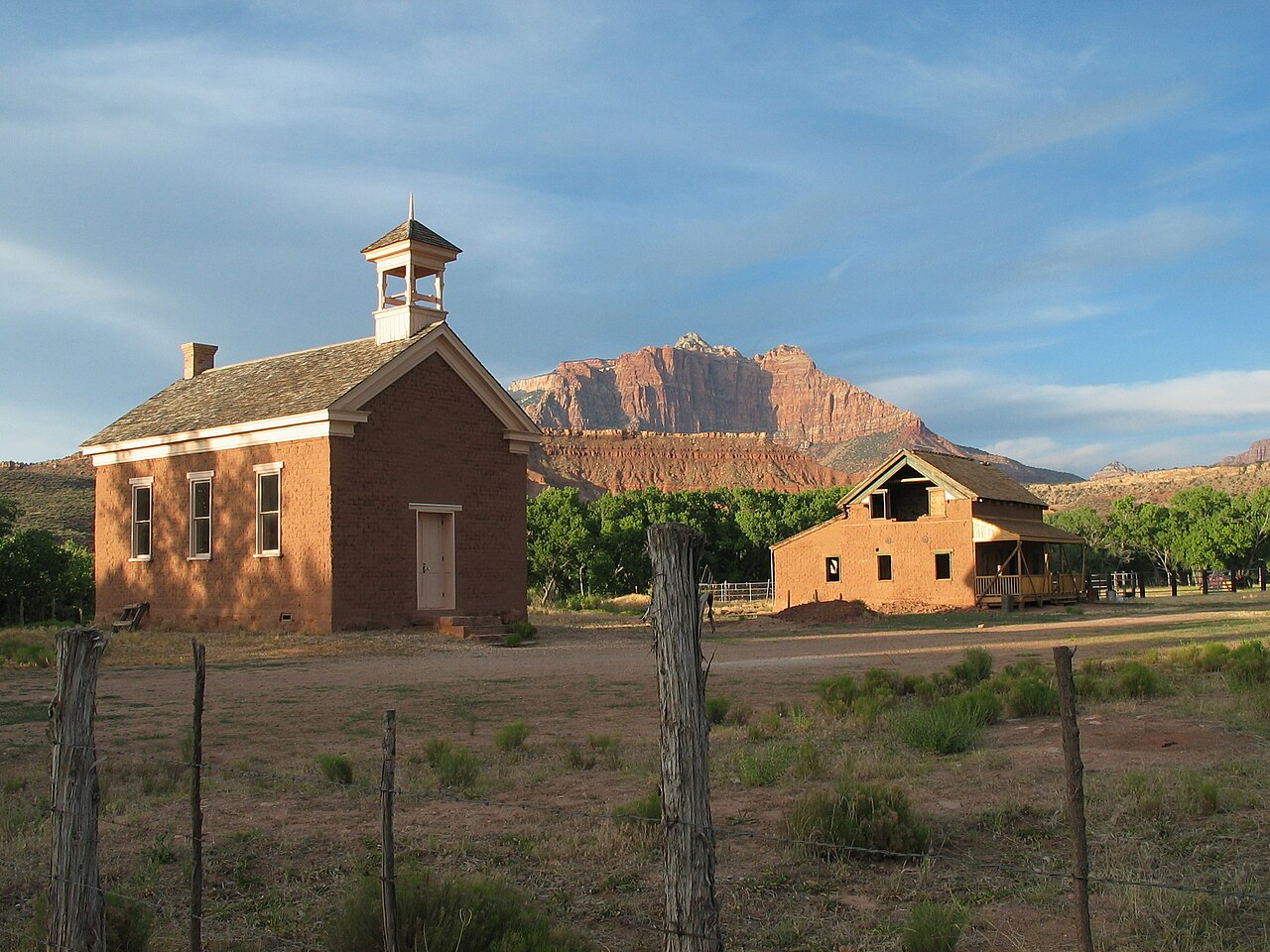
Rockville, Utah
Grafton was settled in 1859 by Mormon pioneers growing cotton and other crops along the Virgin River, reached 168 residents by 1864, and…
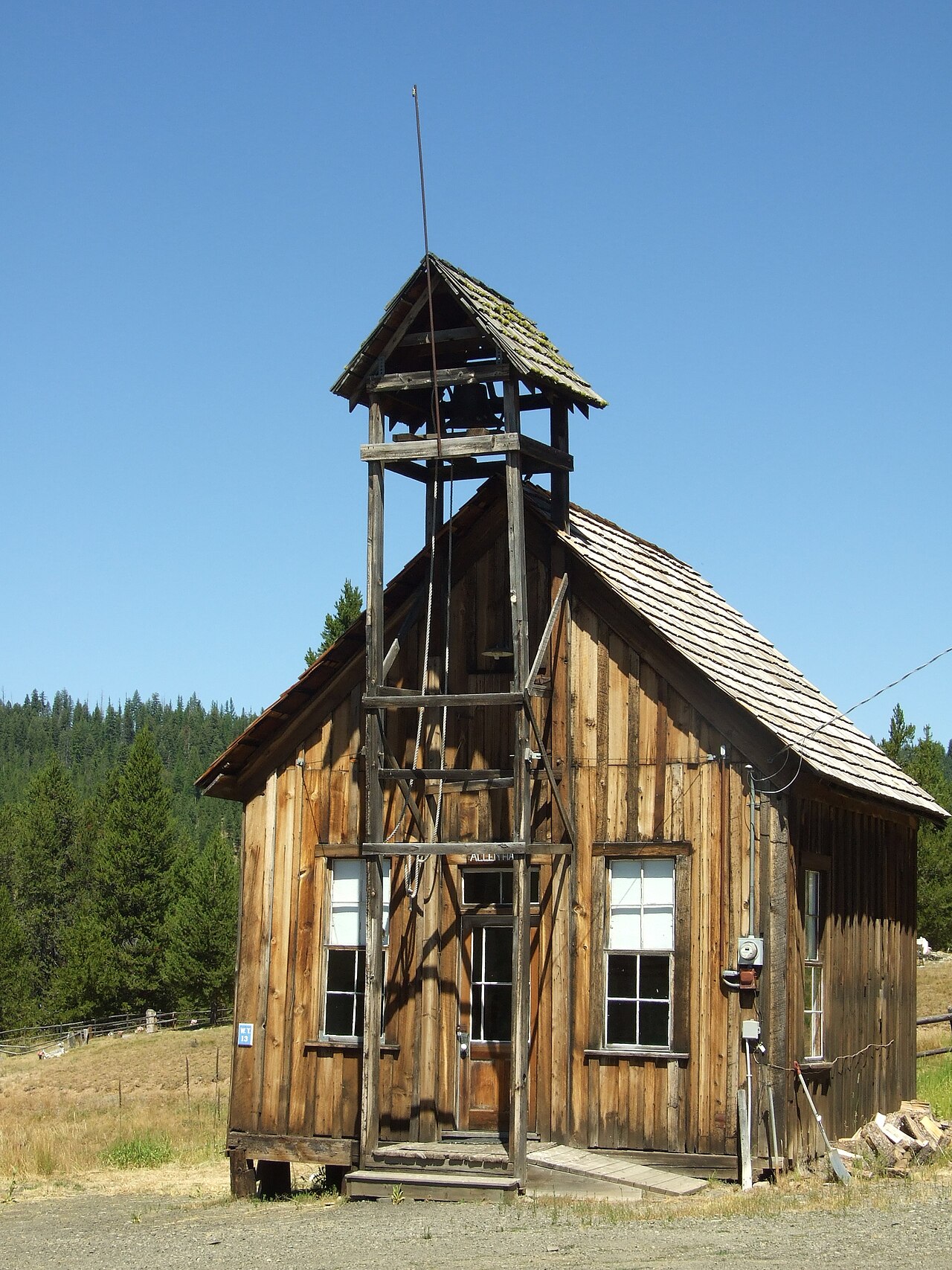
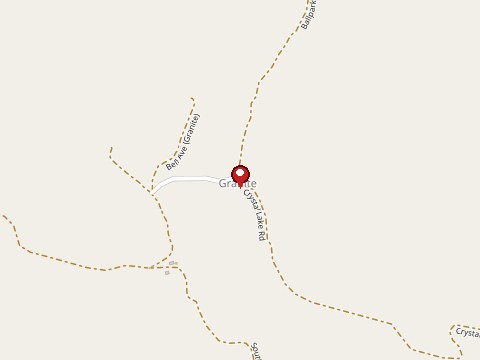
Granite, Oregon
Granite began when Albert Tabor struck gold on July 4, 1862 and named his claim Independence; the town was incorporated in 1900 with most…
Philipsburg, Montana
Granite grew around one of the richest silver mines in the country after a strike in 1872 and held about 3,000 people before the silver…
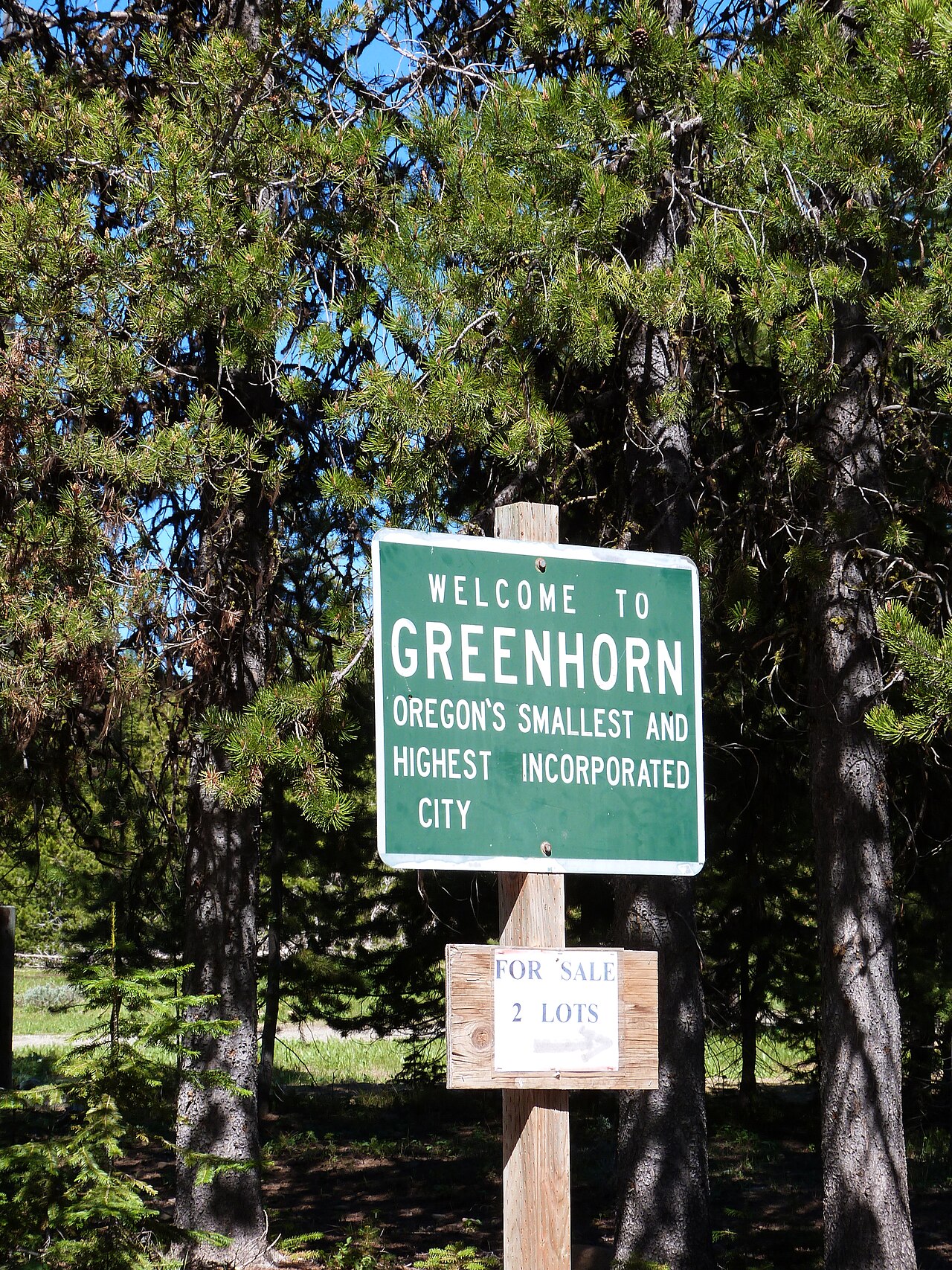
Baker City, Oregon
Greenhorn boomed from about 1910 to 1915 with two hotels, a post office, fire hydrants, stores and saloons, then collapsed after the 1942…
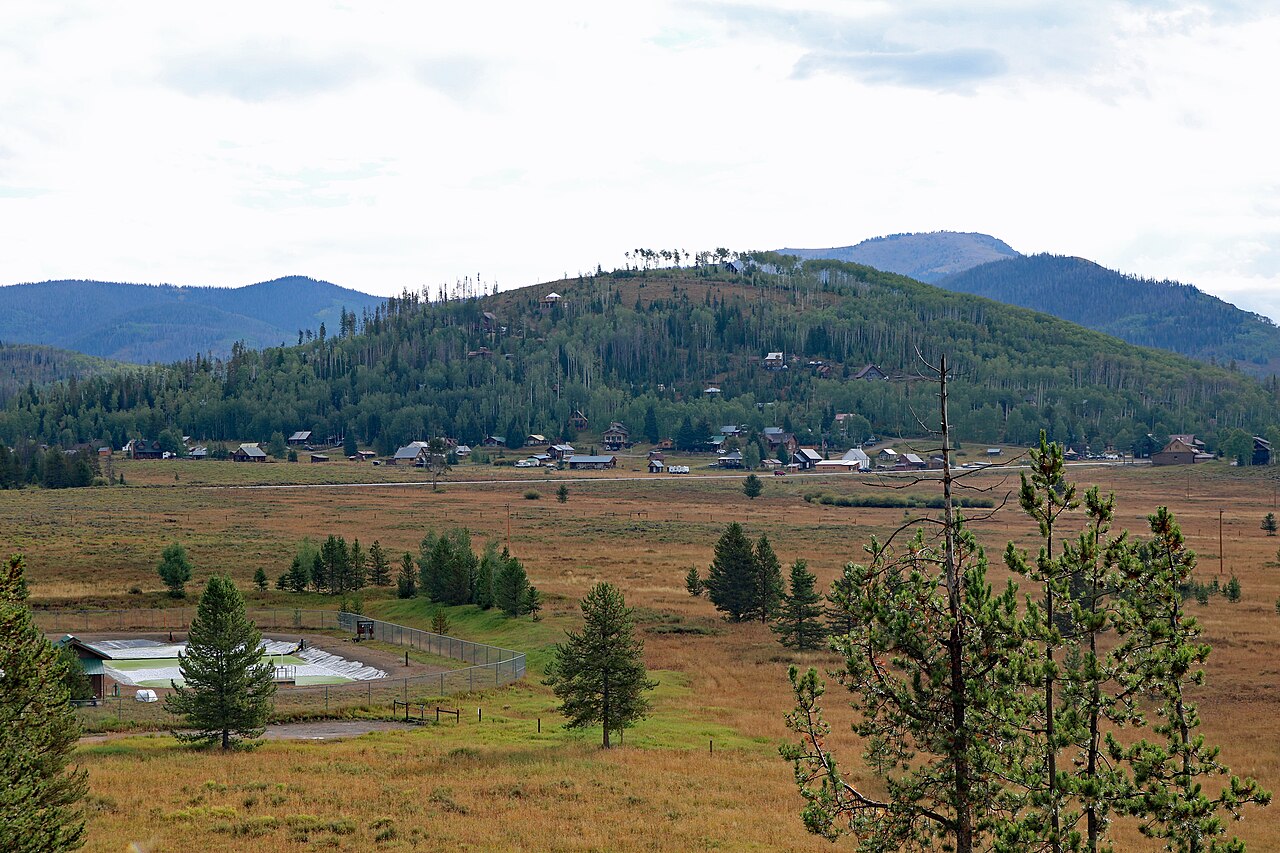
Clark, Colorado
Hahns Peak began as a placer-gold camp in the 1860s and served as the Routt County seat from 1877 until 1912, when Steamboat Springs took…
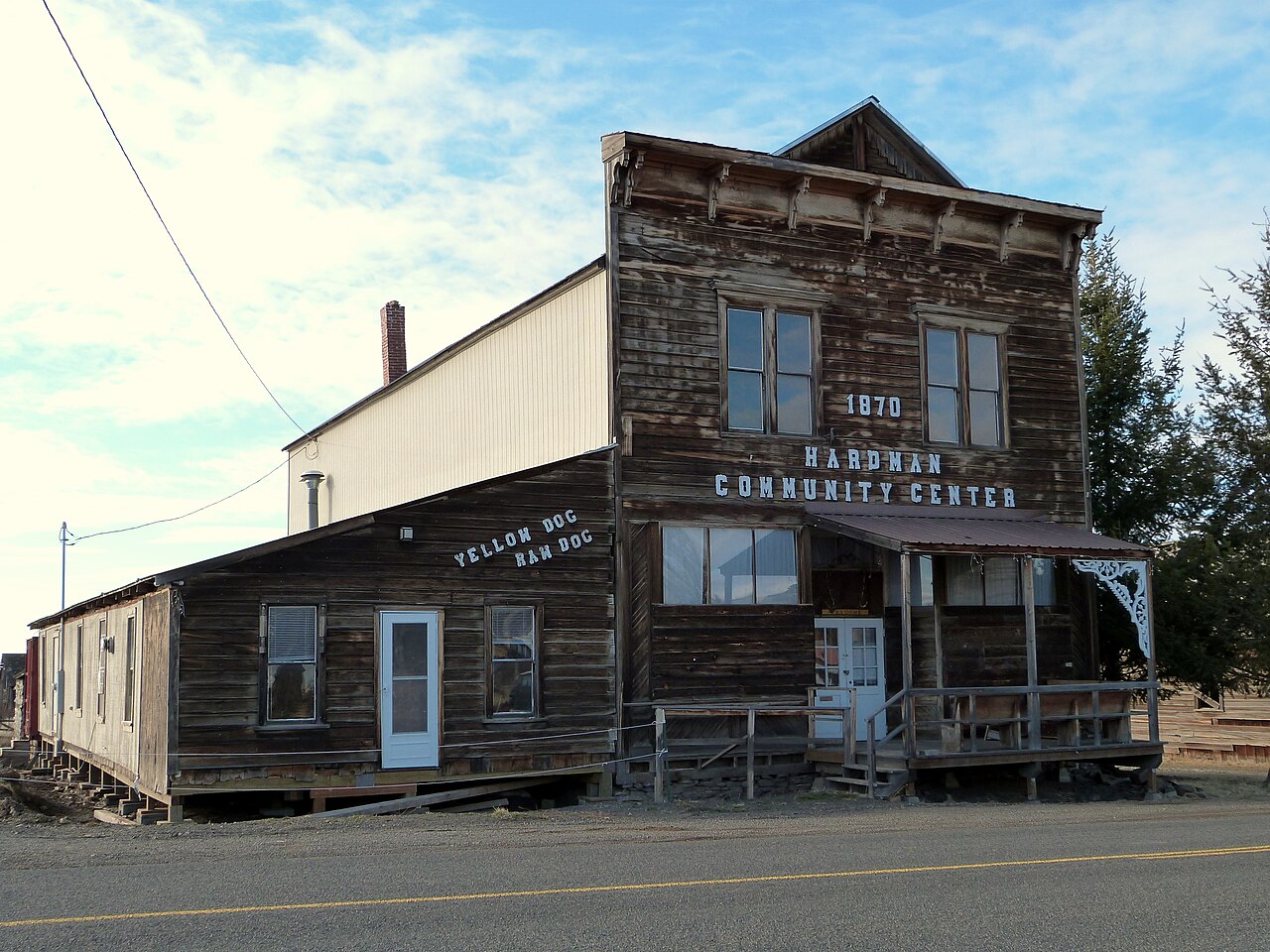
Heppner, Oregon
Hardman was a farm trade center in southern Morrow County that declined after the 1920s when the railroad went through Heppner. Its 1900…
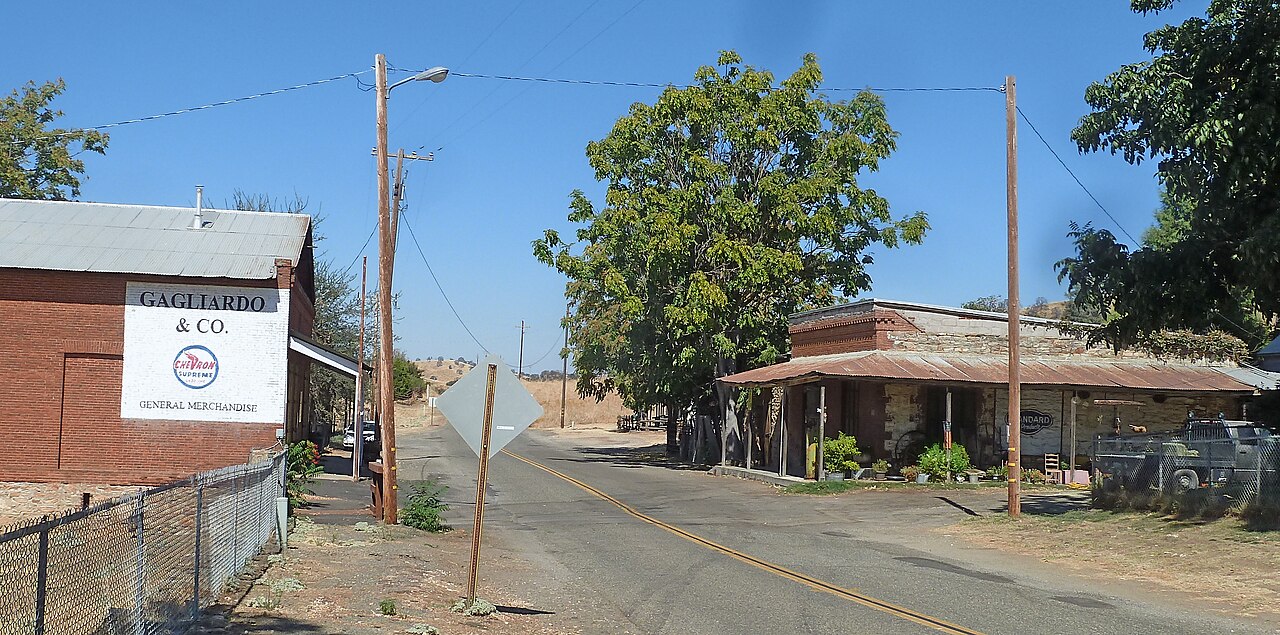
Hornitos, California
Hornitos grew in the 1850s Gold Rush around a plaza, supposedly named for the "little ovens" shape of its above-ground graves. A stone…