Loading…

Granite, Oregon
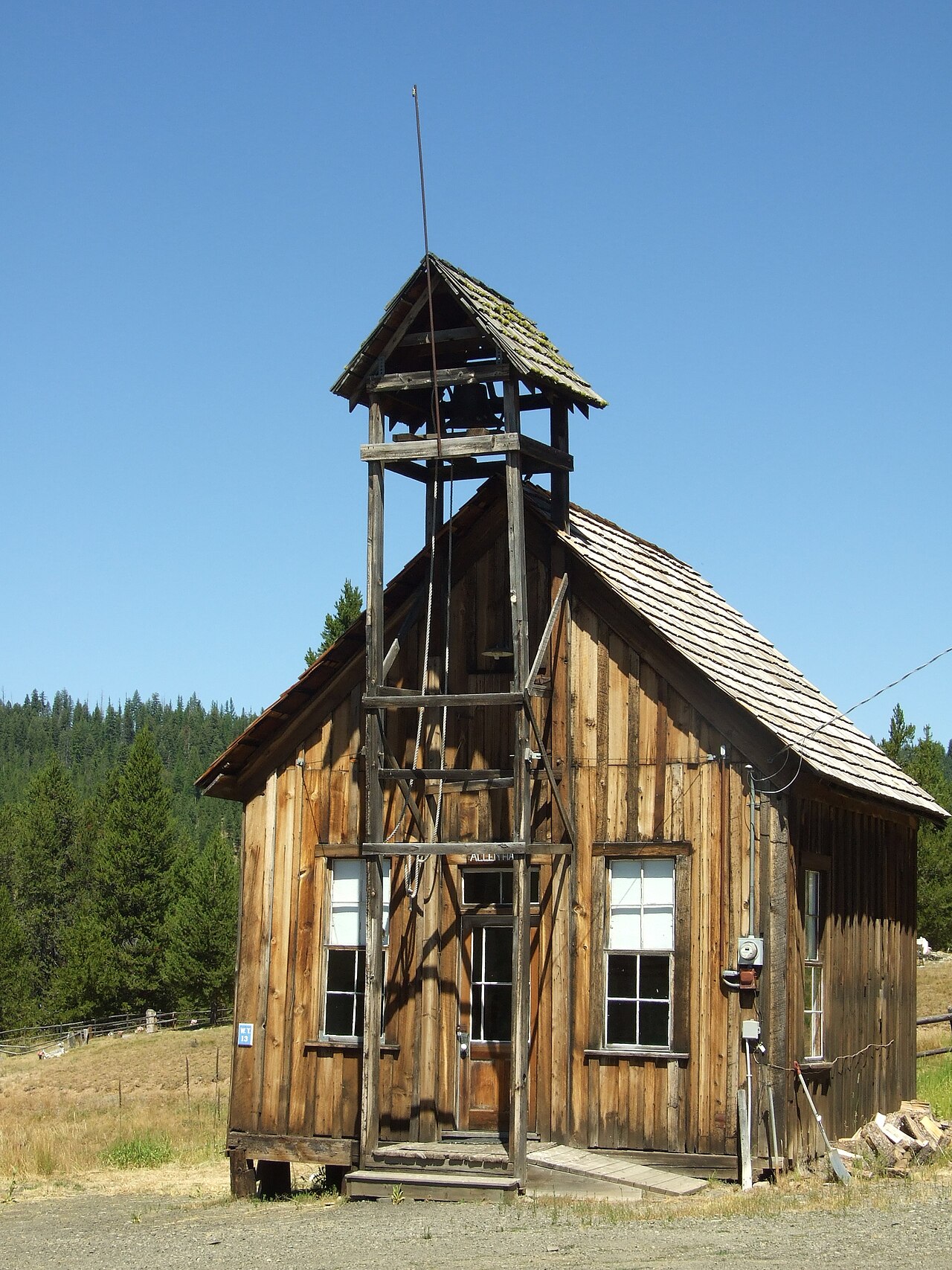
Photo: Scott Catron from Sandy, Utah, USA, CC BY-SA 2.0, via Wikimedia Commons
Granite began when Albert Tabor struck gold on July 4, 1862 and named his claim Independence; the town was incorporated in 1900 with most local men working the mines. A 1942 federal order closed gold mines, and by 1960 only two people were left. A few dozen residents live here now among a schoolhouse, church, general store and dance hall, with rock piles called Chinese walls left by miners.
No gas or restaurants in town; roads are best in summer and early fall.
Tap a star to rate. No ratings yet
Baker City, Oregon
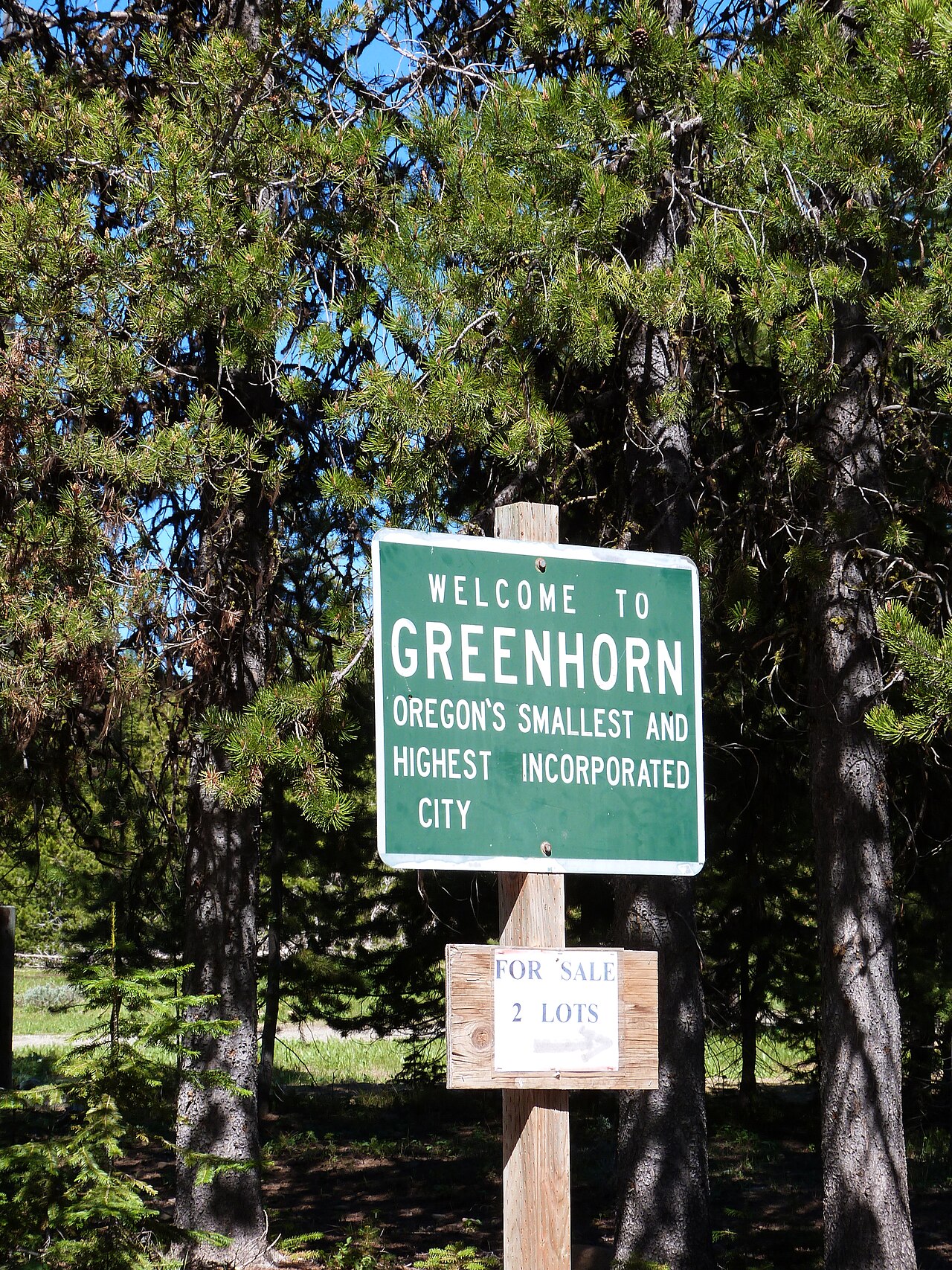
Greenhorn boomed from about 1910 to 1915 with two hotels, a post office, fire hydrants, stores and saloons, then collapsed after the 1942…
Sumpter, Oregon
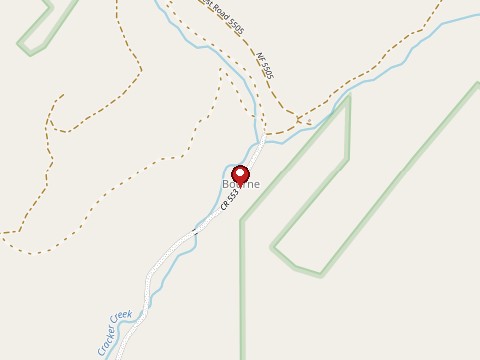
Bourne was a gold-mining camp originally called Cracker City, renamed for Oregon senator Jonathan Bourne Jr., whose nearby mines produced…
Sumpter, Oregon
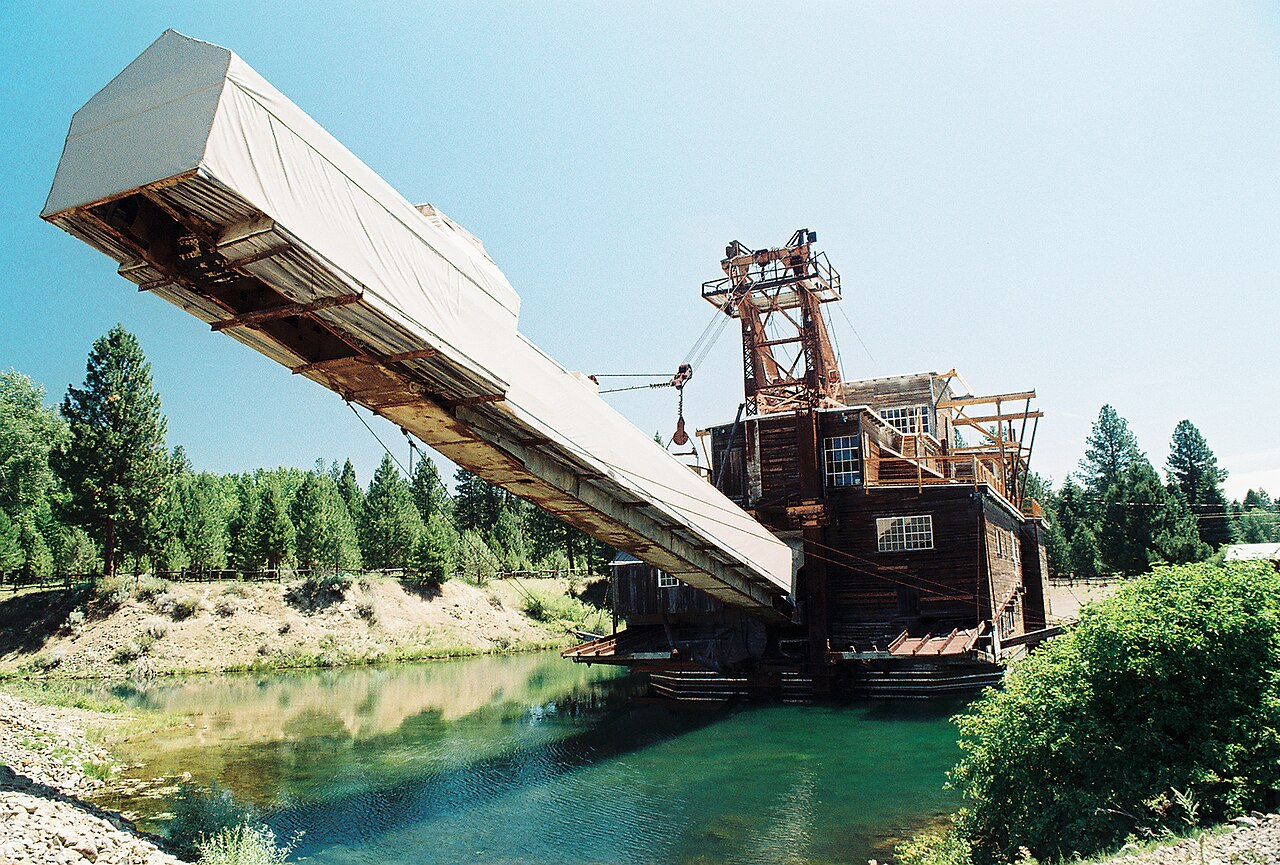
Dredge No. 3, the Sumpter Valley Gold Dredge, is a 1935 floating gold-mining machine that churned up the valley's gravels until 1954 and is…
Sumpter, Oregon
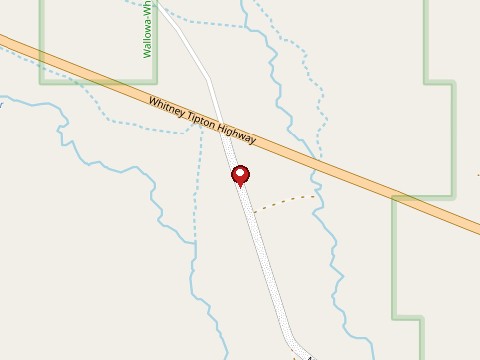
Whitney was a lumber town that grew around a mill and became the main station of the narrow-gauge Sumpter Valley Railway after it arrived…
Baker City, Oregon
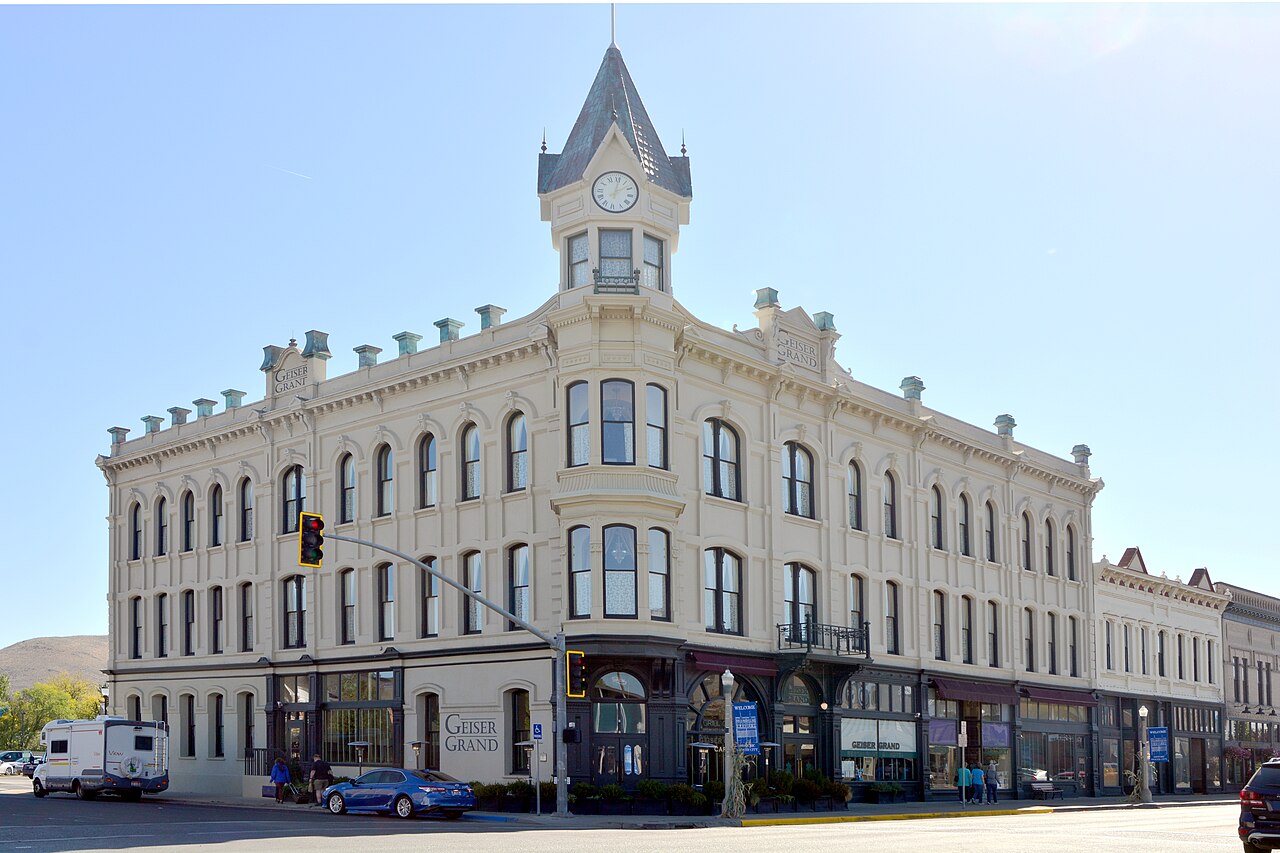
The Geiser Grand Hotel on Main Street in Baker City was built during the Oregon gold rush and was once considered the finest hotel between…
Halfway, Oregon
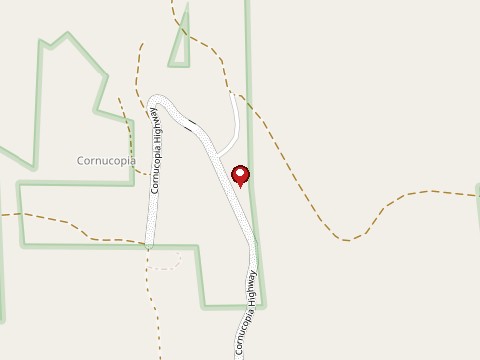
Cornucopia grew after Lon Simmons found gold in 1884 and had at least 500 men by 1885, with the Last Chance, Queen of the West,…
Sign in to leave a comment.