Searching…

144 places found
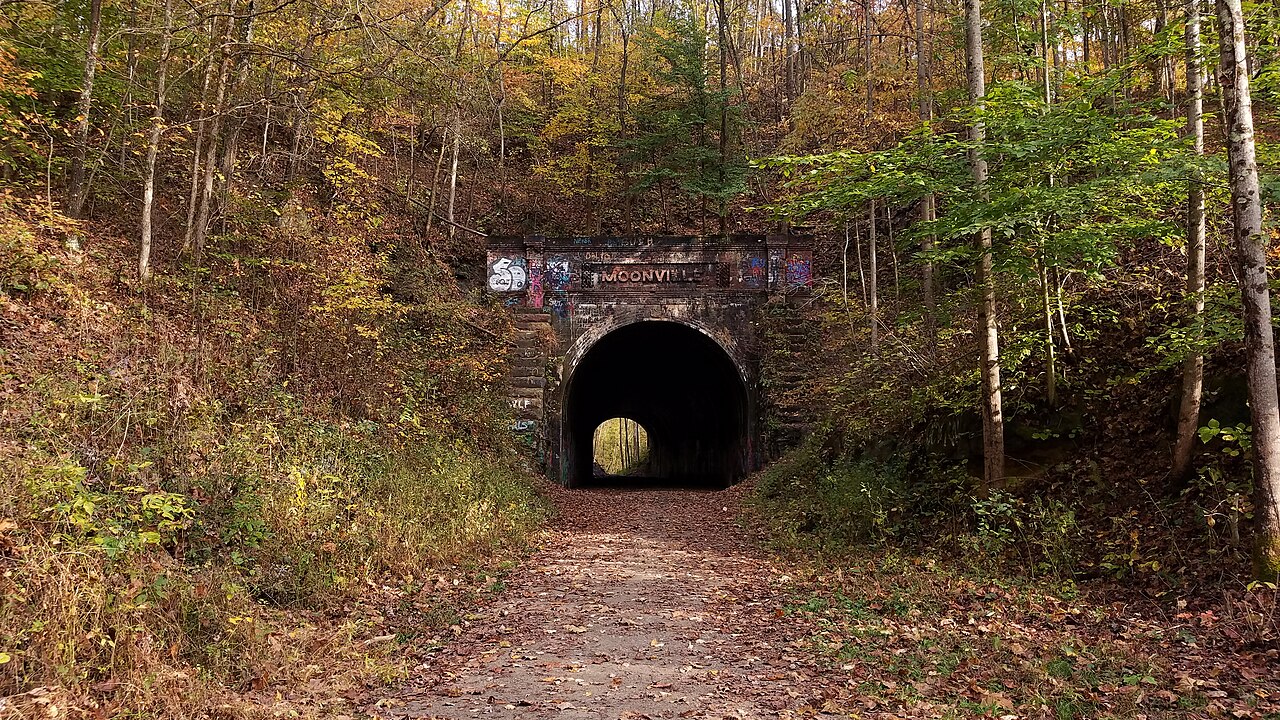
McArthur, Ohio
Moonville Tunnel is a railroad tunnel in the woods of Vinton County near Lake Hope State Park, all that remains of the mining town of…
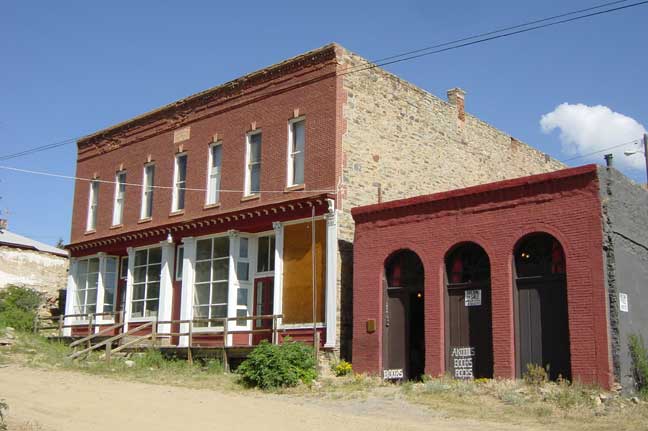
Central City, Colorado
Nevadaville was an Irish-American gold-mining town founded in 1859 and rebuilt after an 1861 fire, then slowly abandoned as the ore ran…
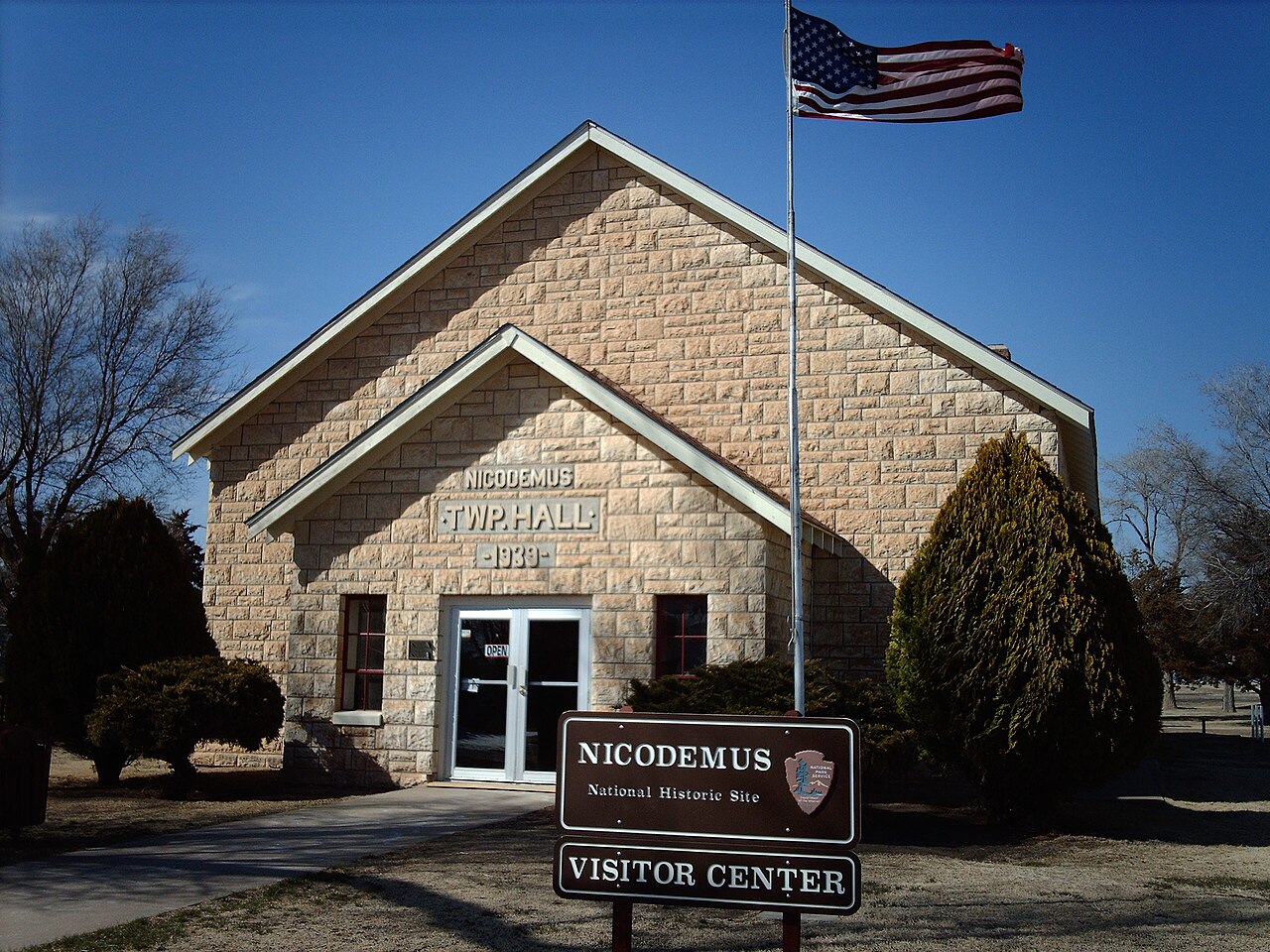
Nicodemus, Kansas
Nicodemus was founded in 1877 by formerly enslaved African Americans from Kentucky seeking land on the Kansas plains, and it remains the…
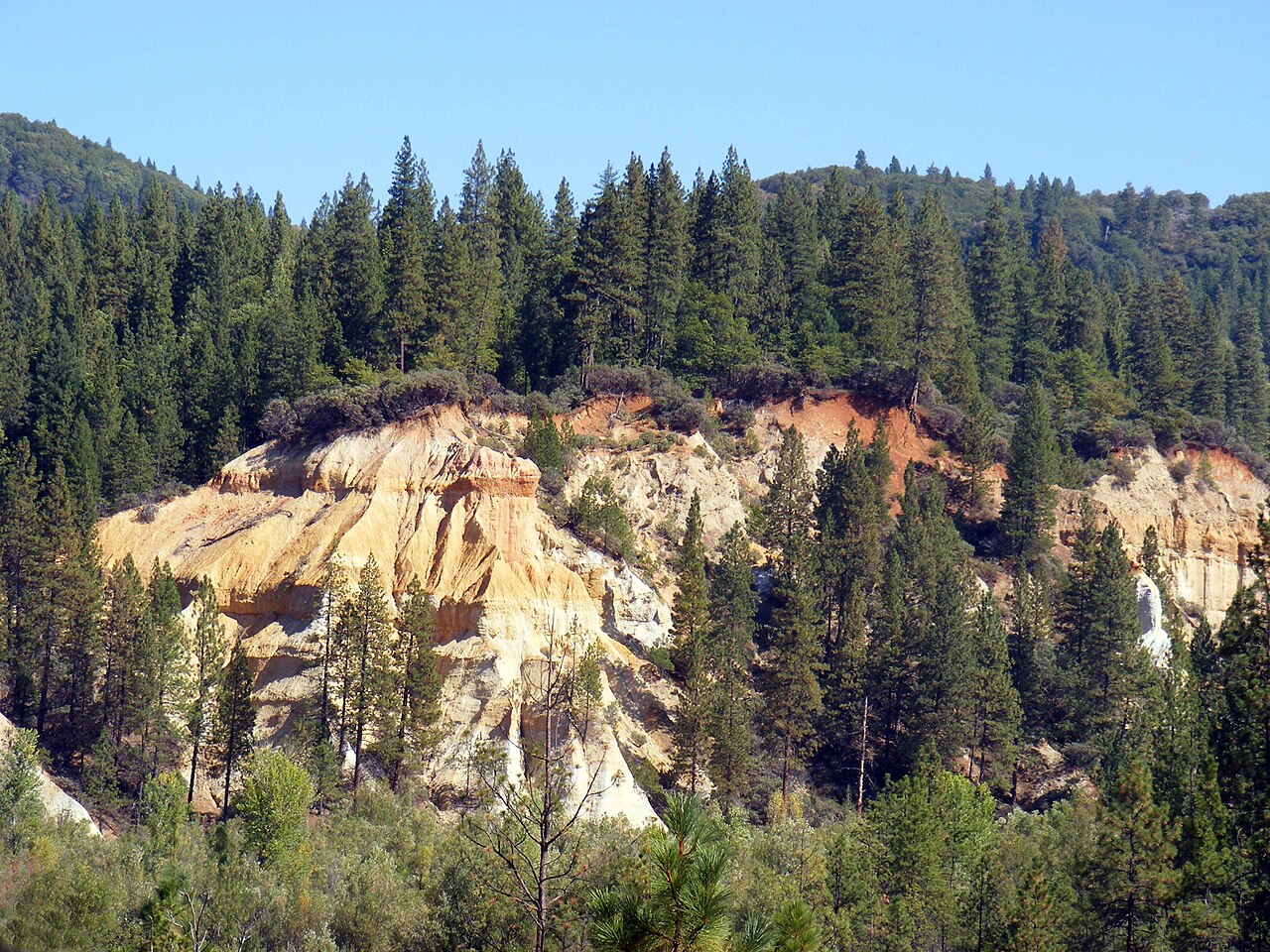
Nevada City, California
North Bloomfield, once called Humbug, was the supply town for the huge hydraulic mining pit at Malakoff Diggins and held more than 2,000…
Lansing, West Virginia
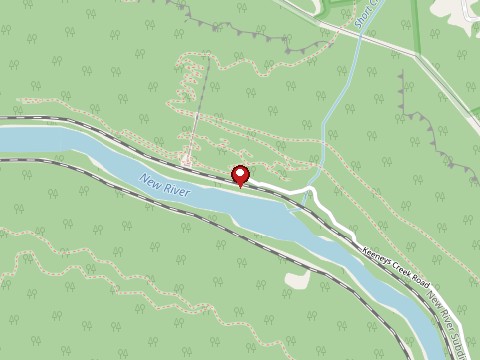
Nuttallburg is one of the most complete coal-mining complexes in the country, with a tipple and a 1,385-foot conveyor from 1926 that…
Oatman, Arizona
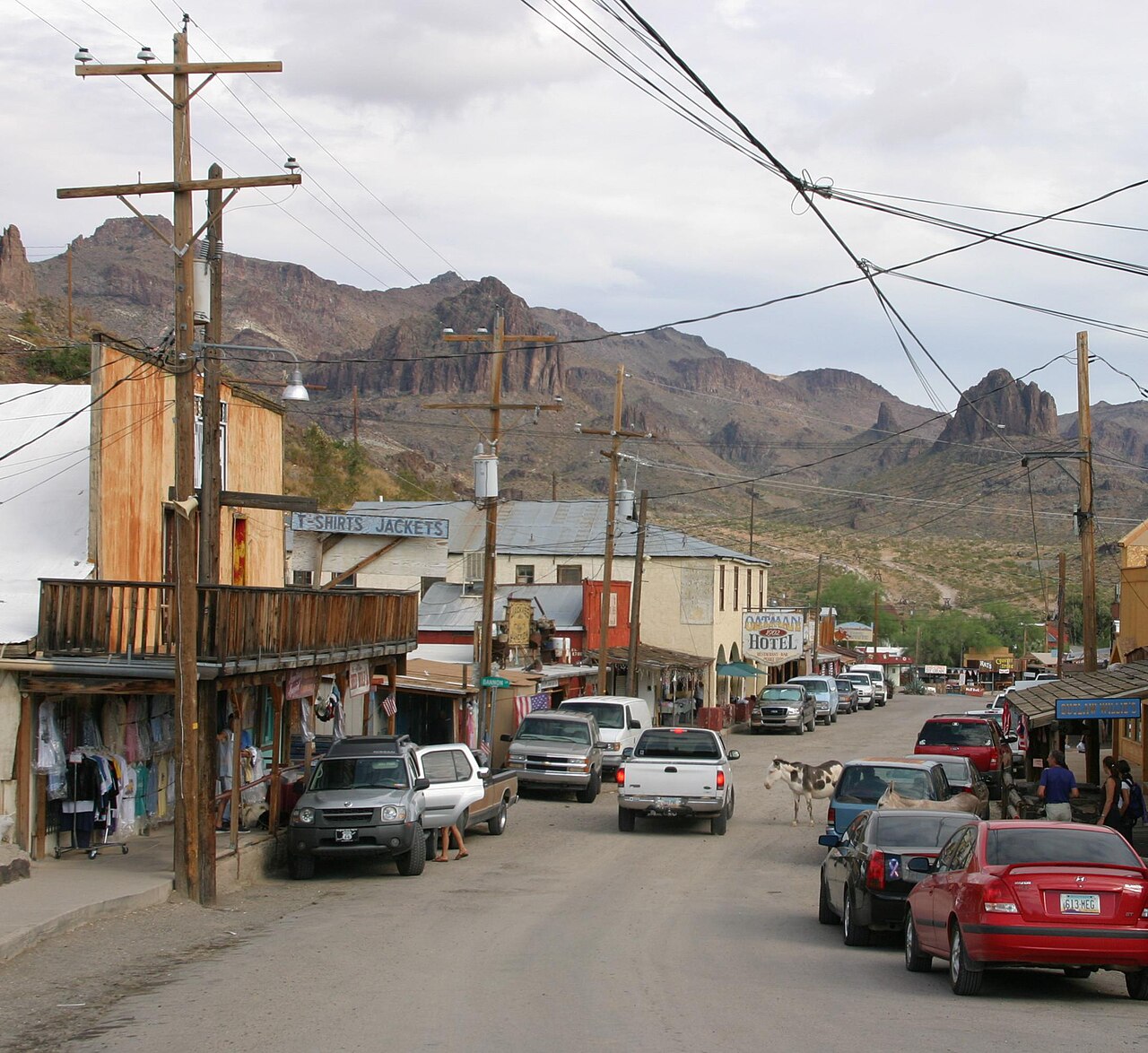
Oatman was a gold boomtown from 1915 to 1917 and lost its mines when the federal government ordered gold mining shut during World War II.…
Orrville, Alabama
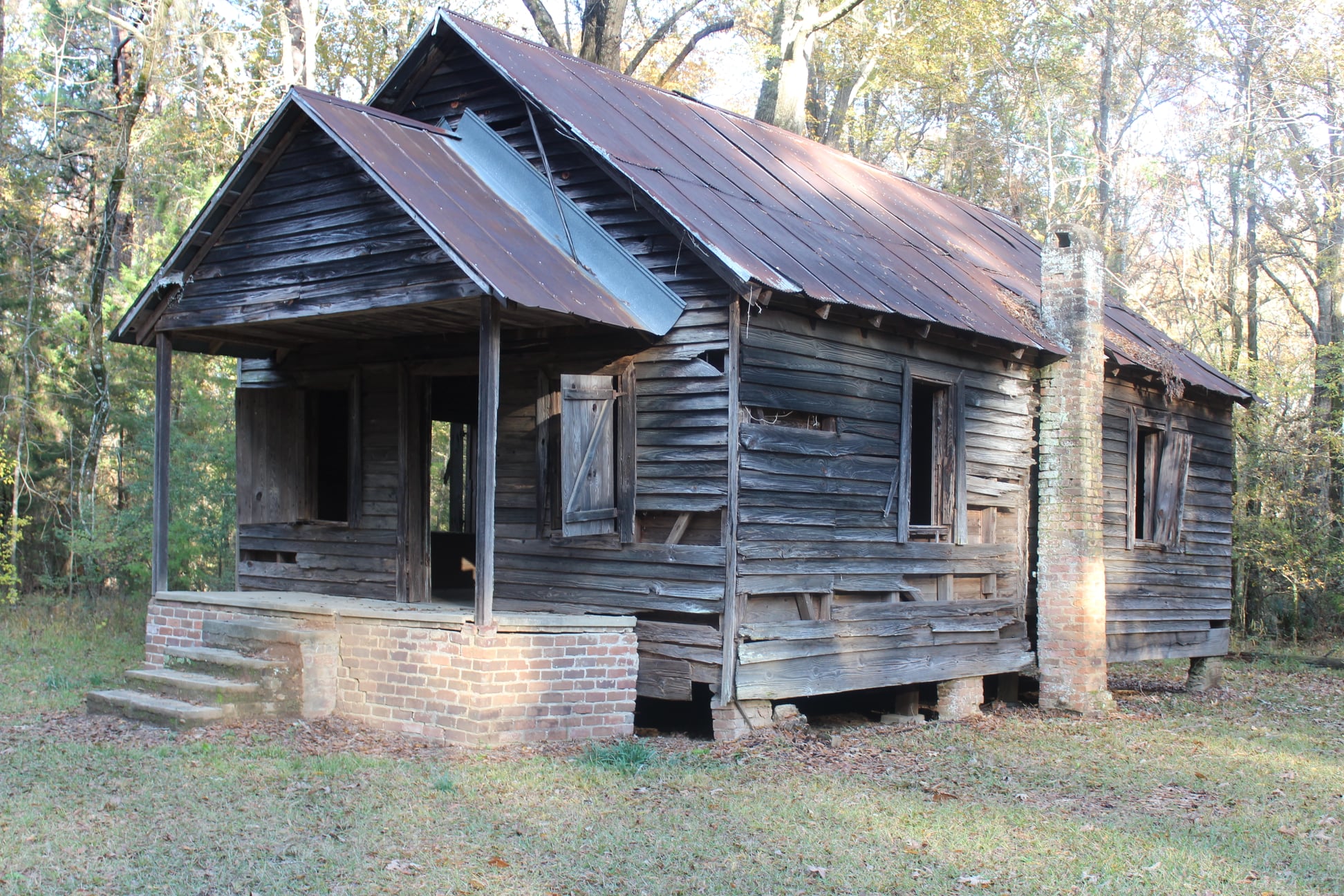
Old Cahawba was Alabama's first state capital, from 1820 to 1826, built where the Cahaba River meets the Alabama. After the capital moved…
Oroville, Washington
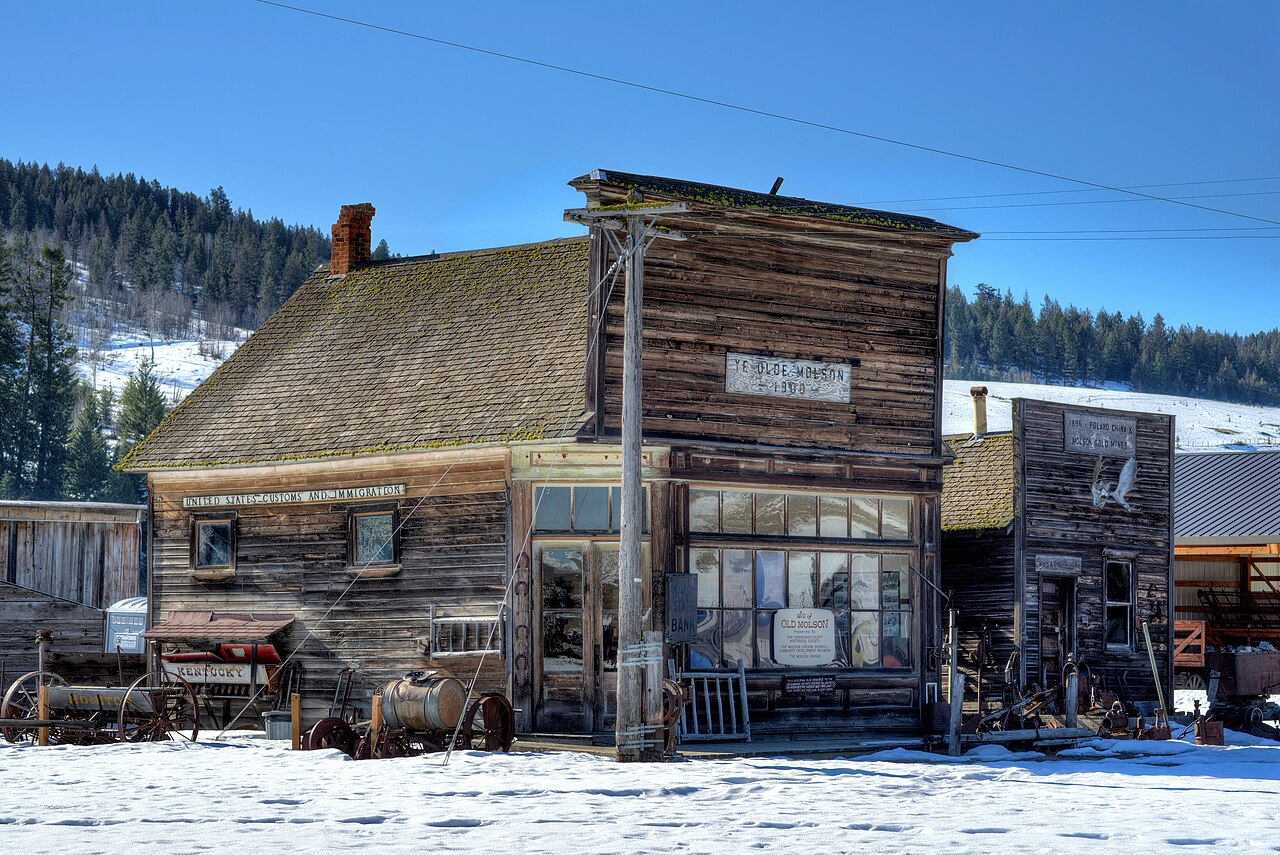
Old Molson was a mining and farming town founded around 1900 near the Canadian border by George Meacham and John W. Molson, and it declined…
Redding, California
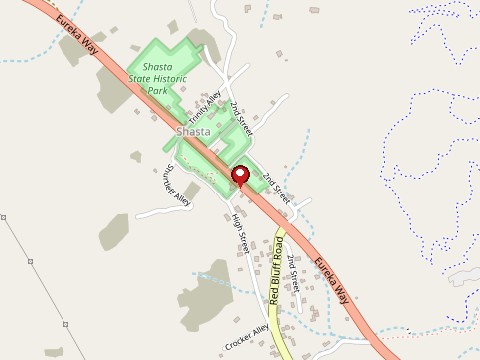
Shasta was a Gold Rush supply center and county seat whose brick storefronts line Highway 299 as roofless ruins. The restored 1861…
Kimama, Idaho
Kimama was settled in the early 1900s by Volga German and Black Sea German immigrants who took up some of the last homesteads available…
Ridgecrest, California
Panamint City was a rowdy silver camp of about 2,000 people after the 1873 strike, with Death Valley's first newspaper, until a 1876 flash…
Pearce, Arizona
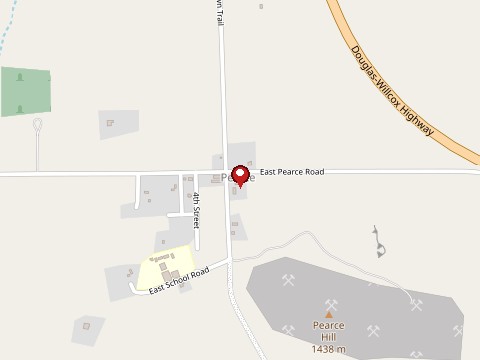
Pearce grew after Cornish miner James Pearce found gold at what became the Commonwealth Mine in 1894, and had about 1,500 residents by 1919…
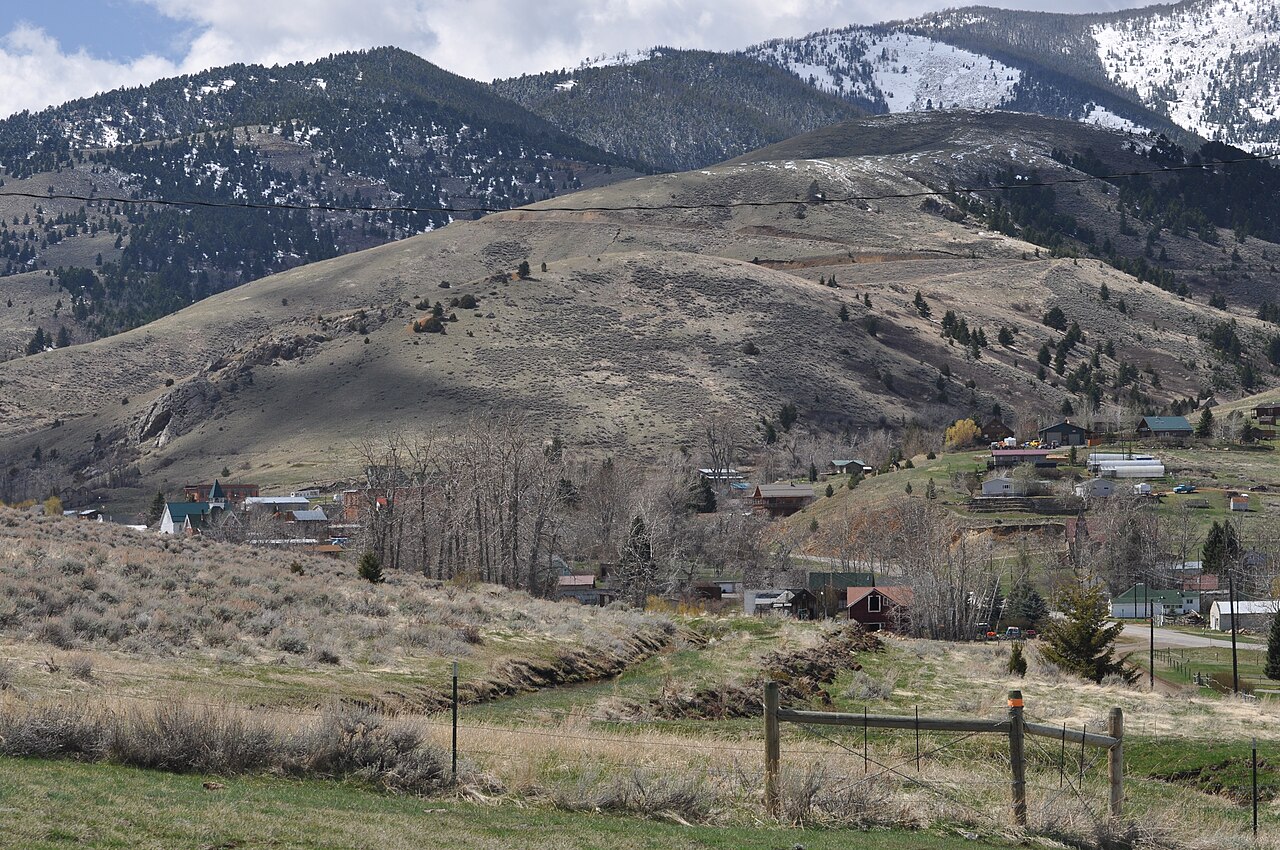
Pony, Montana
Pony was a gold-mining town settled in the 1860s and named for miner Tecumseth Smith, nicknamed Pony for his small size. A 1920 fire…
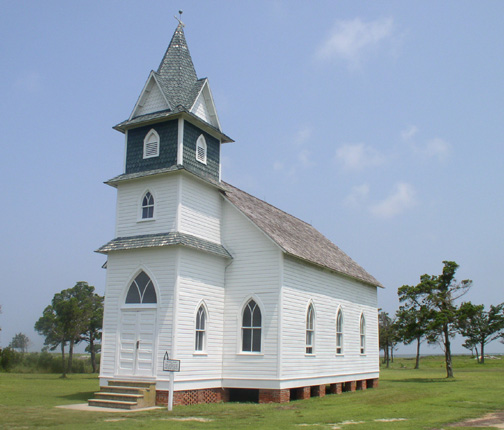
Ocracoke, North Carolina
Portsmouth was a lightering port on Core Banks founded in 1753 that peaked at 685 people in 1860 and shrank after the Civil War and a…
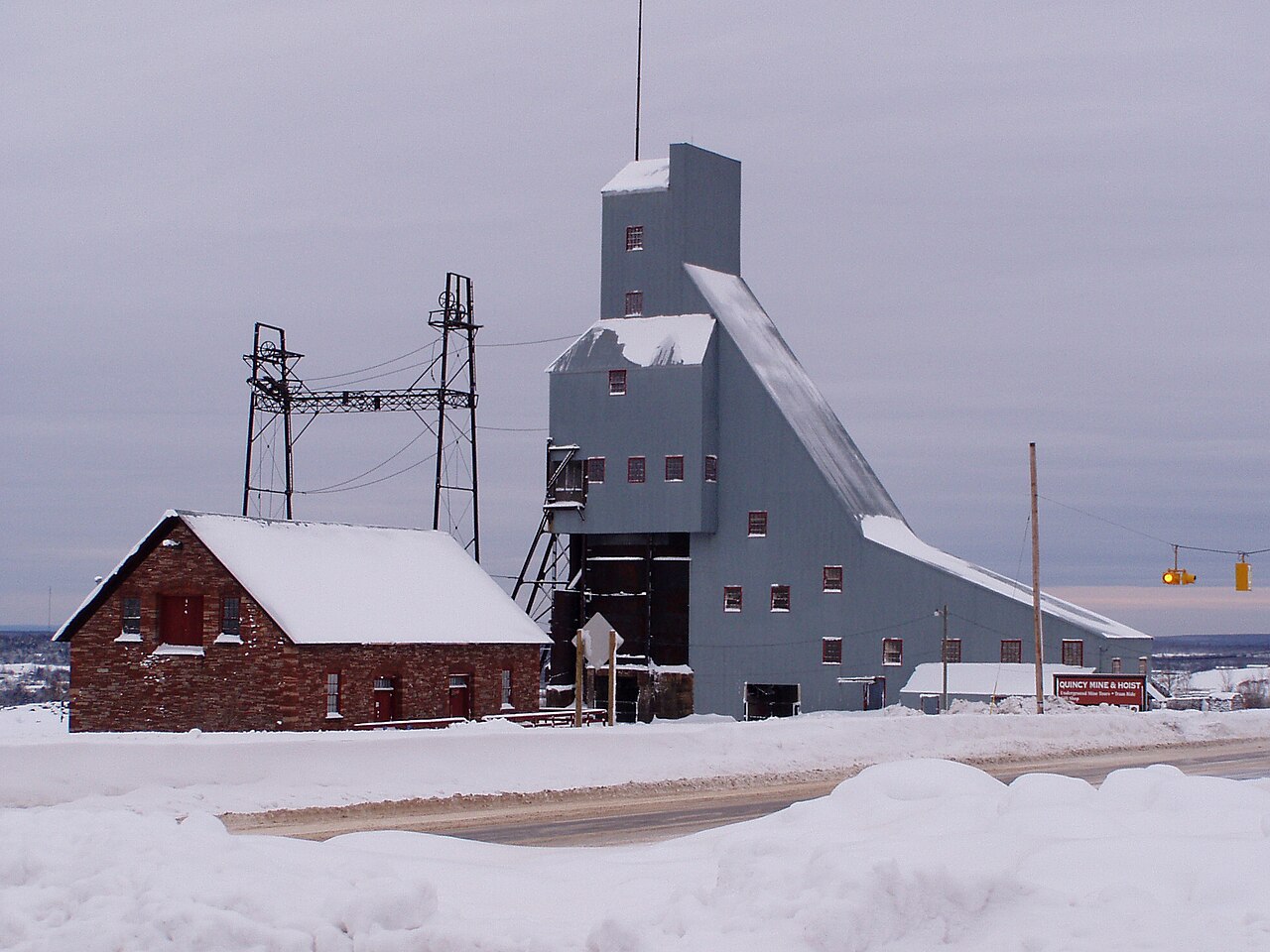
Hancock, Michigan
The Quincy Mine on Quincy Hill above Hancock opened in 1846 and became one of the most productive copper mines in the world. Many miners…
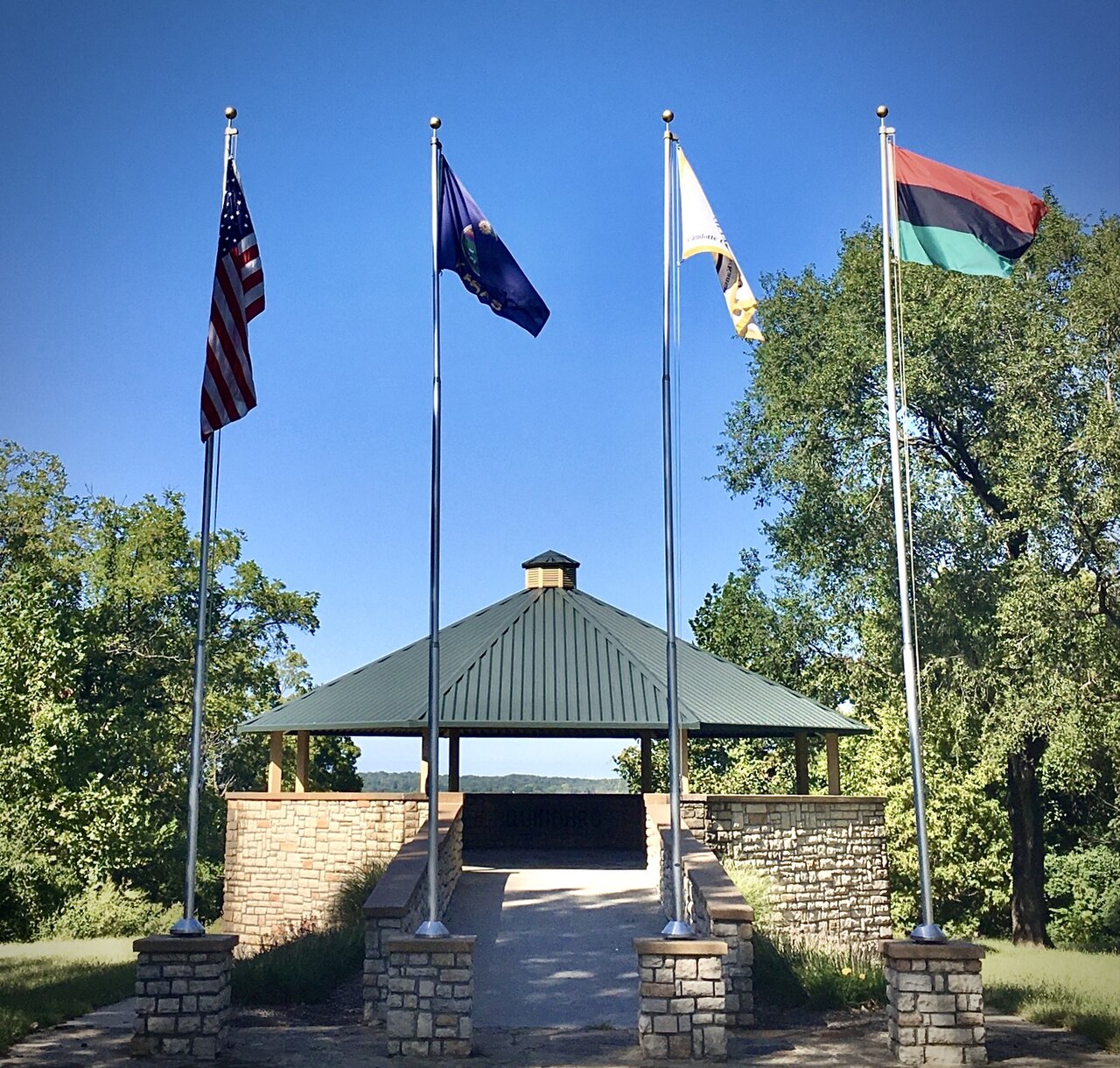
Kansas City, Kansas
Quindaro was founded in the 1850s by Wyandot Nation members and Free State abolitionists as a free-state port on the Missouri River, and it…
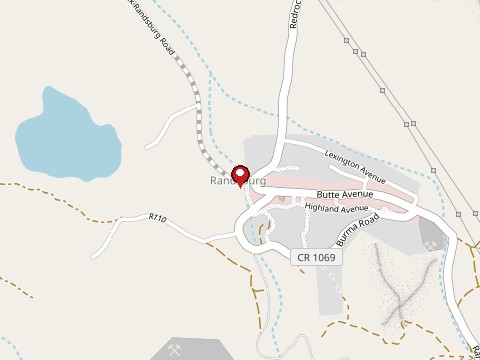
Randsburg, California
Randsburg grew from the 1895 gold strike in the Rand Mountains and was named for the Witwatersrand district of South Africa; by 1900 it had…
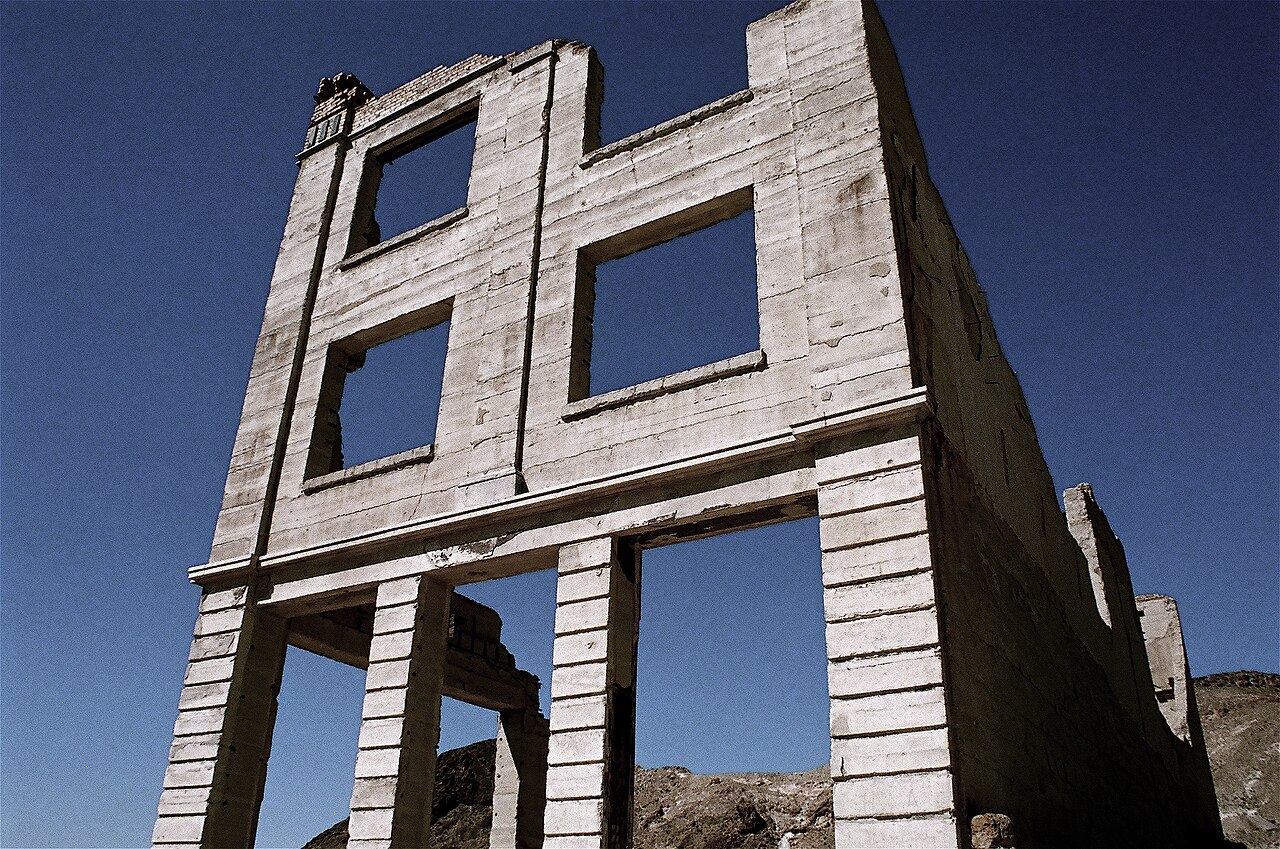
Beatty, Nevada
Rhyolite boomed after a 1905 gold strike, reaching several thousand residents before collapsing to about a thousand by 1910 and emptying in…
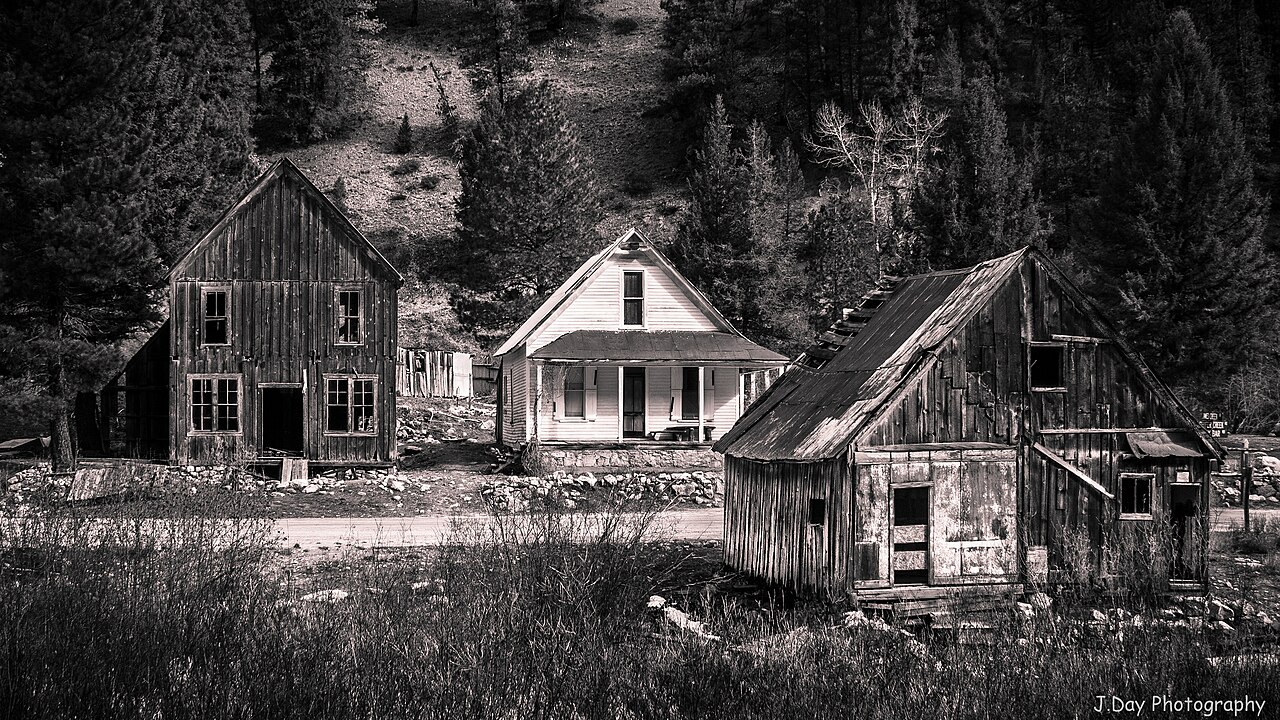
Mountain Home, Idaho
Rocky Bar was a gold camp founded in 1863 that grew to more than 2,500 people, served as county seat of Alturas County from 1864 to 1882,…
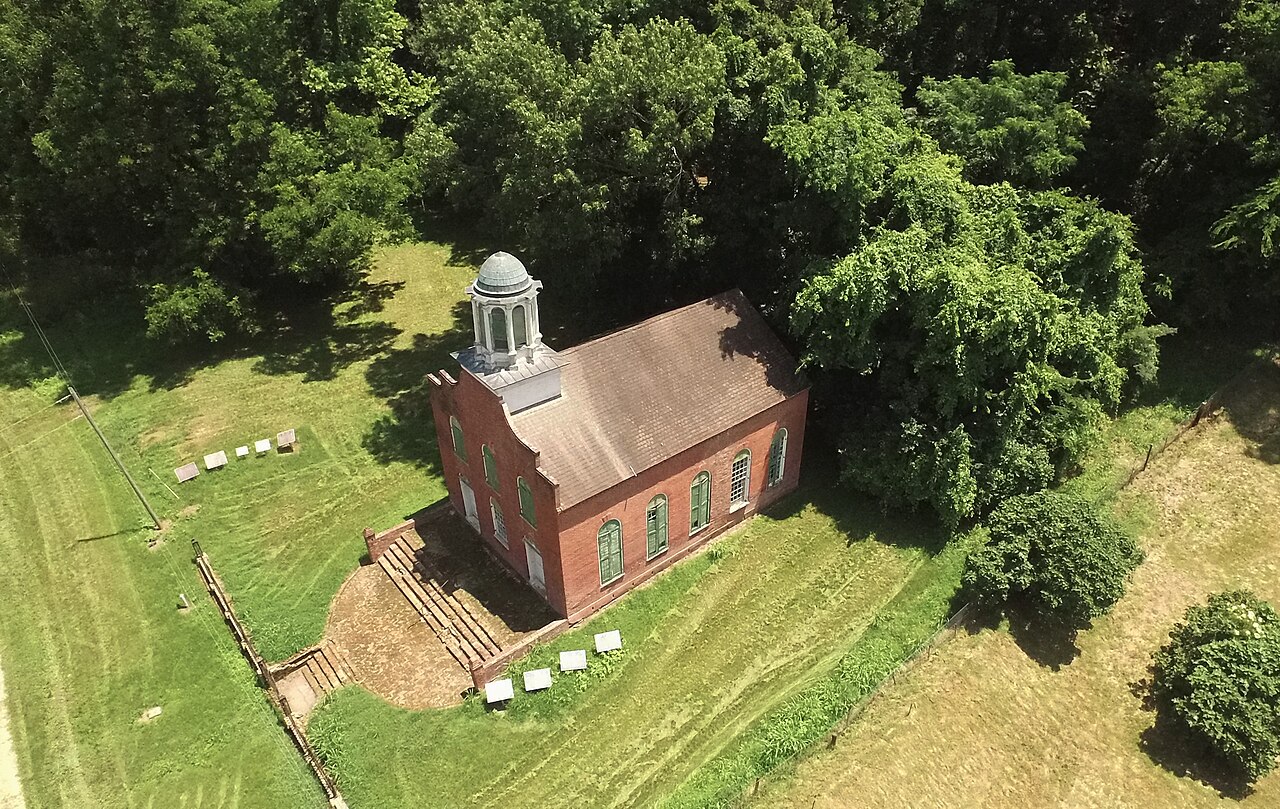
Lorman, Mississippi
Rodney was a busy Mississippi River port founded in 1828 that lost out when a sandbar moved the river miles away in the 1860s, then lost…
Conconully, Washington
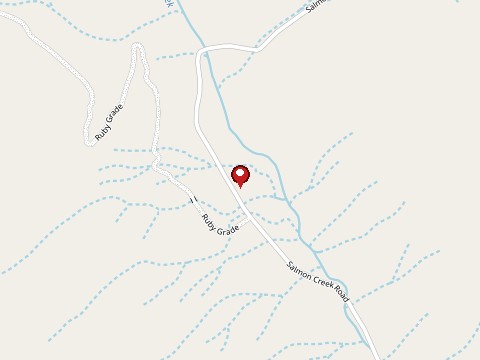
Ruby was a silver camp founded after a 1886 strike, with several hundred to a thousand residents, and it briefly served as county seat…
Thompson Springs, Utah
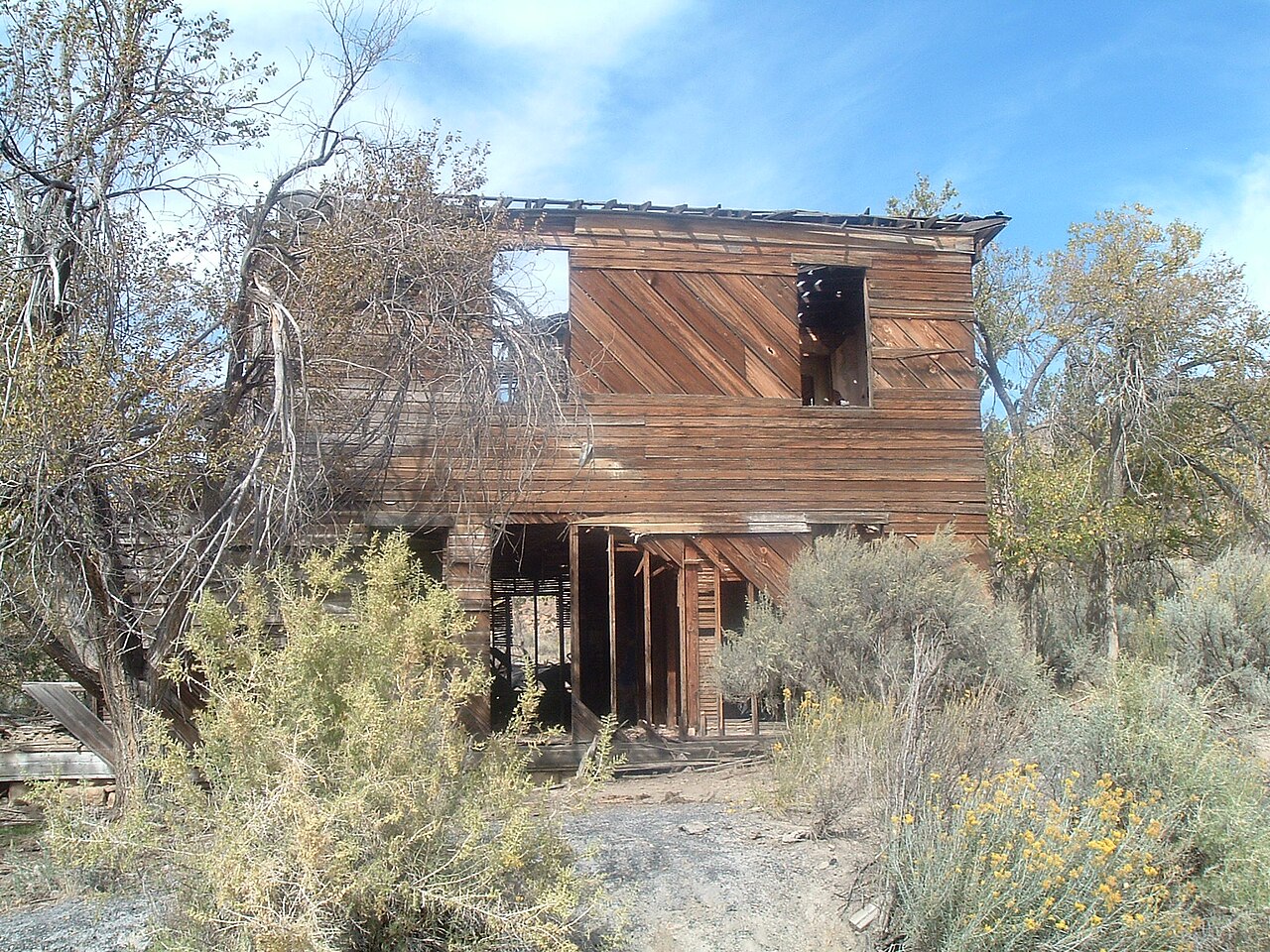
Sego was a coal-mining town of about 500 people active from roughly 1910 to 1955, called Nelsen until 1918 when it was renamed for the sego…
Shafter, Texas
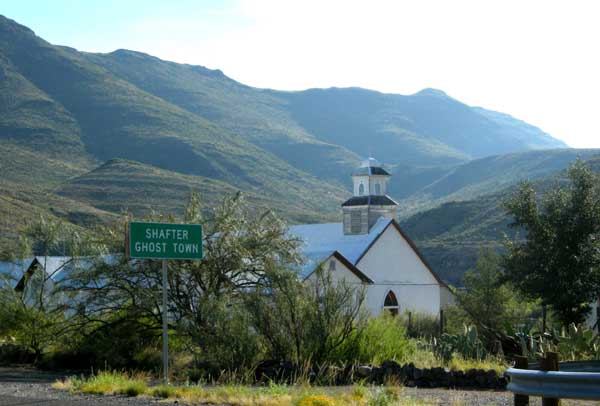
Shafter was a silver-mining town named for Colonel William Shafter after a rancher's 1880 find, and its mines produced more than 32 million…
Lordsburg, New Mexico
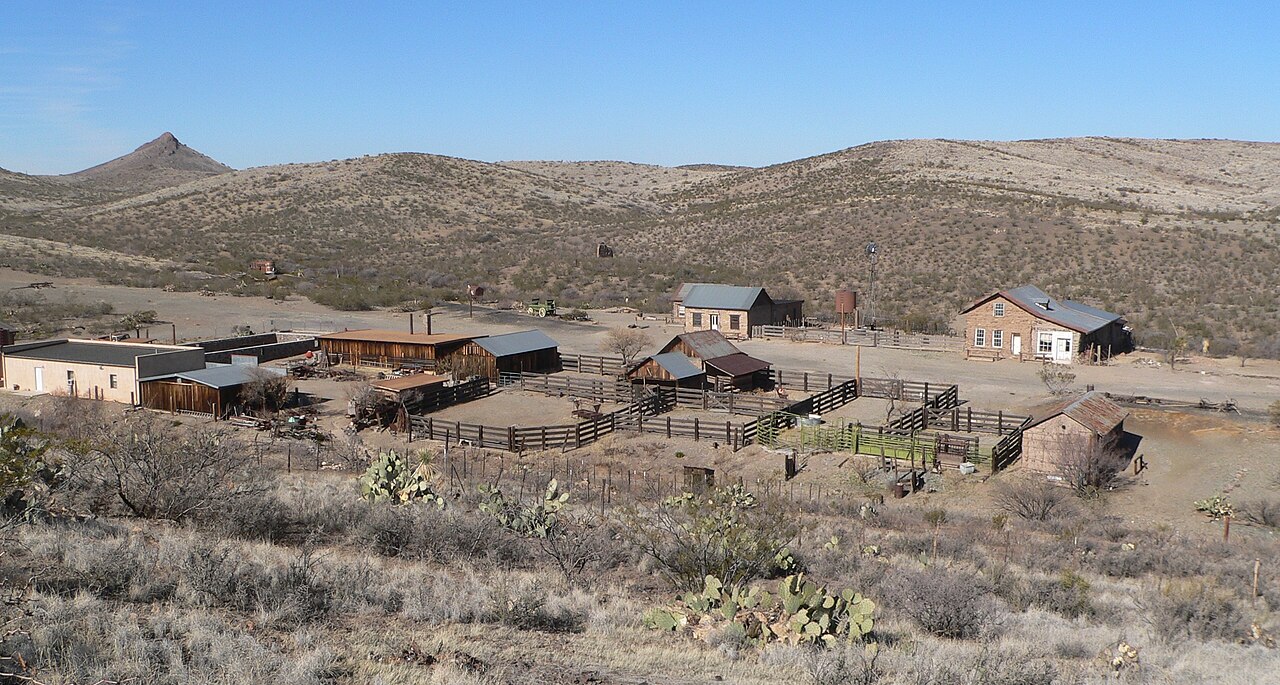
Shakespeare was a mining town abandoned in the early 1900s and bought in 1935 by Frank and Rita Hill, whose family restored its buildings,…