Loading…

Randsburg, California
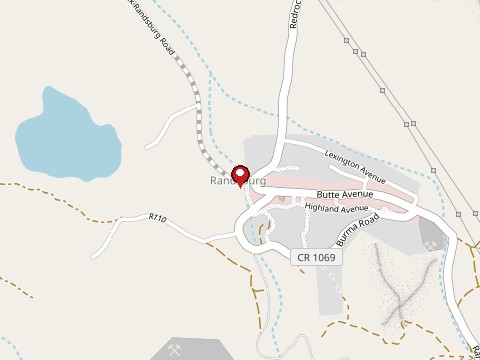
Map: © OpenStreetMap contributors — approximate location, not a photo of the site
Randsburg grew from the 1895 gold strike in the Rand Mountains and was named for the Witwatersrand district of South Africa; by 1900 it had banks, churches, theaters, saloons and a newspaper. Today about a hundred people live along Butte Avenue among boarded-up fronts and a few open businesses, so it is called a living ghost town. The Rand Desert Museum on the same street holds mining artifacts and old photographs.
Most businesses and the small museum open on weekends; the Old West Days festival is in September.
Tap a star to rate. No ratings yet
Randsburg, California
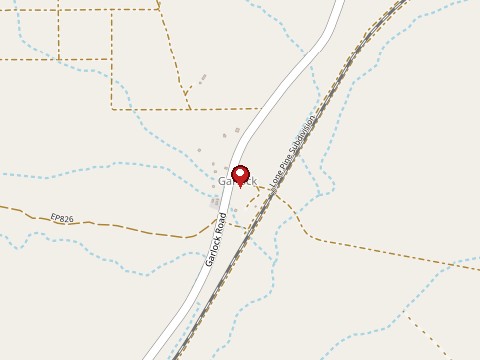
Garlock sprang up in the 1890s after a stamp mill was hauled in to serve nearby gold mines and also supplied water to freighters and…
Trona, California
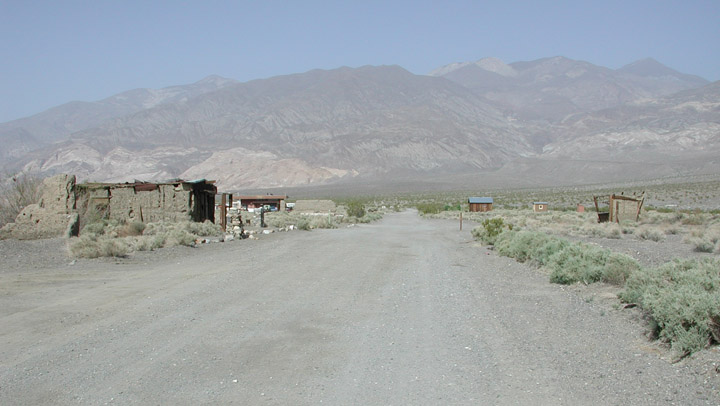
Ballarat was founded in 1896 or 1897 as a supply town for the gold mines of the Panamint Range, and was named by an Australian settler for…
Yermo, California
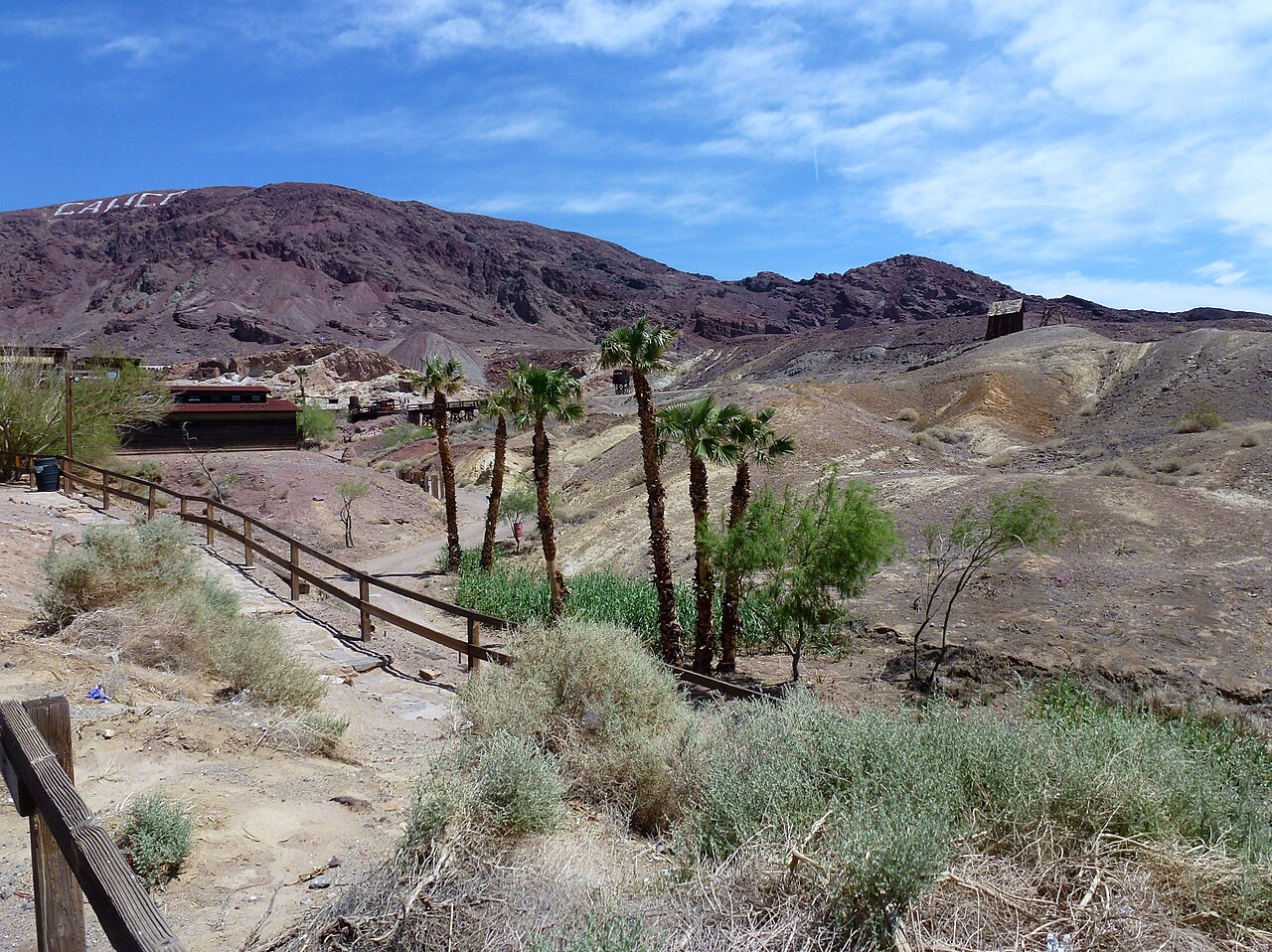
Calico was a silver-mining boomtown in the 1880s; Walter Knott restored it and donated it to San Bernardino County, which runs it as a…
Lancaster, California
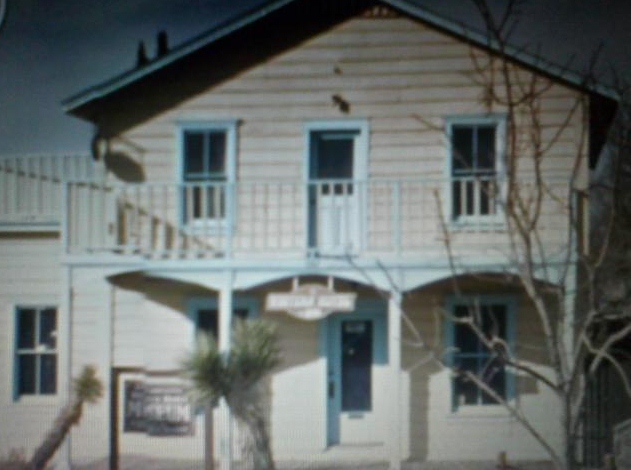
Visitors and staff at the Western Hotel Museum report footsteps crossing the wooden floors of both storeys, a scratchy record playing with…
Ridgecrest, California
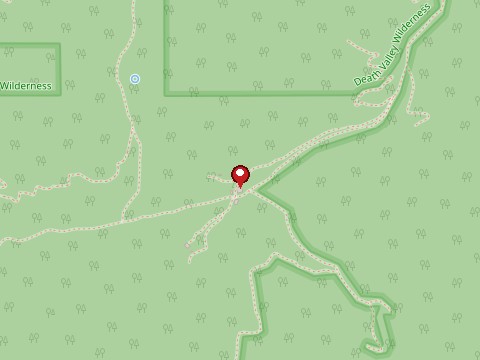
Panamint City was a rowdy silver camp of about 2,000 people after the 1873 strike, with Death Valley's first newspaper, until a 1876 flash…
Darwin, California
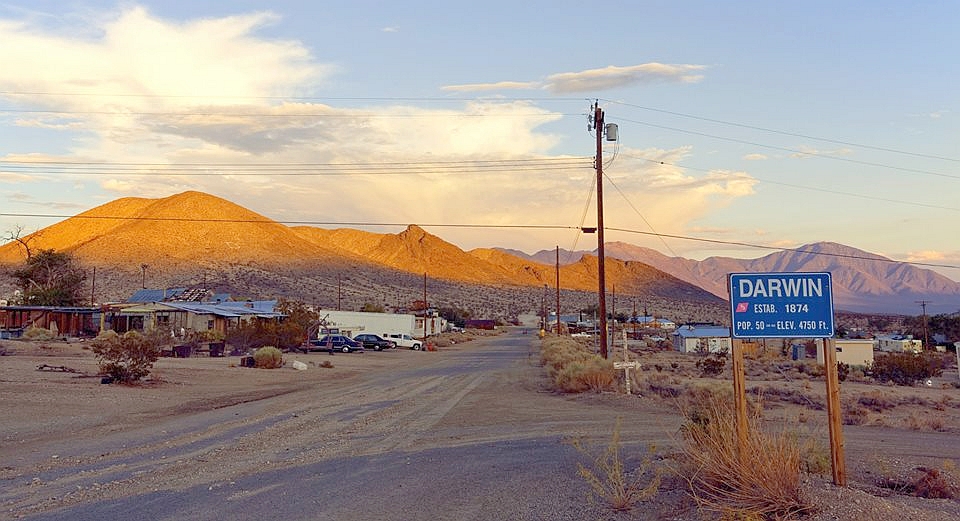
Darwin grew after silver and lead strikes in the Coso Range in 1874, with smelters, mines and hundreds of residents, and it stayed active…
Sign in to leave a comment.